Julia’s Best Banana Bread

I like my bananas firm and just turned yellow, with a hint of green still visible. Once they fully ripen, get brown spots, and turn super sweet, I don’t want to eat them anymore. What I usually do is blend them with other fruit and some orange juice for a breakfast smoothie.
IMG_2414
I know that most people like to make banana bread with overripe bananas, but I’ve never cared for the banana breads I’ve tasted. They are often cake baritones: heavy, overly sweet, and dense. I always feel like they need some tenor, or even soprano, flavor notes in there. But I never attempted to make one of my own because all the recipes I saw seemed to pretty much be variations on a pound cake with added mashed bananas.
IMG_2404

This changed when Bon Appetit ran an article called “A Slice of Paradise: Andrew McCarthy’s Banana Bread Quest.”In it, the actor Andrew McCarthy (yeah, that Andrew McCarthy, from Pretty in Pink) talks about his search for the best banana bread on the island of Maui in Hawaii. He finds it at a remote, little roadside stand called Julia’s. Fortunately, he leaves with the recipe.

IMG_2405

As soon as I saw the recipe I knew I had to try it. It’s easy, two-bowls-and-a-whisk kind of easy. And it uses no butter, just eggs and oil. Even more important, it calls for just two bananas, not three like most other recipes I have seen. But I decided to make one small but important change. I had bought a bag of coconut palm sugar, a kind of sugar extracted from the nectar of the coconut tree. It’s very trendy right now because it’s supposed to be better for you than regular cane sugar.
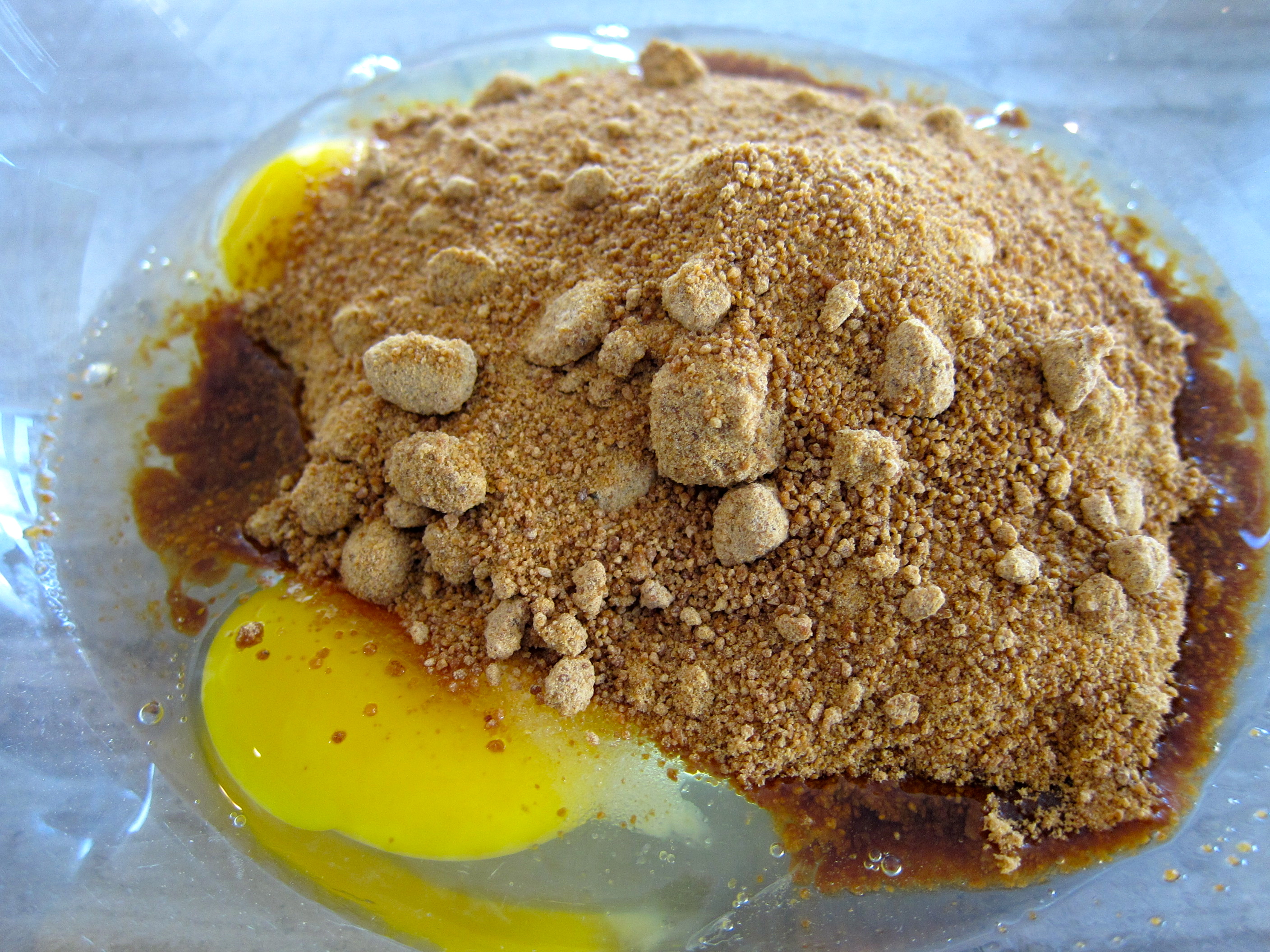
IMG_2408

I don’t care much about that claim. What intrigued me about it was its taste. It’s earthy and complex. There is butterscotch and coffee and coconut in there. I thought it would go well in this Hawaiian recipe for banana bread, so I substituted half of the white sugar with it.

IMG_2402

The end result is the best banana bread I have ever tasted, by far. Granted, the benchmark was already low, but this was heavenly. The cake is moist but not dense. The banana flavor is distinct but not overpowering. The coconut palm sugar gives it both darker notes and a little acidity.

No baritones or sopranos here. Just a good old folk singer singing on the beaches of Maui.

IMG_2417

Julia’s Best Banana Bread – Slightly adapted from Bon Appetit

Note: If you don’t have coconut palm sugar, you can use light brown sugar instead. Or you can just use all white sugar, as the original recipe does.

1 3/4 cup all-purpose flour
1 1/2 teaspoons baking soda
3/4 teaspoon kosher salt
3 large eggs
3/4 cup white sugar
3/4 cup coconut palm sugar (break up any lumps with your fingers)
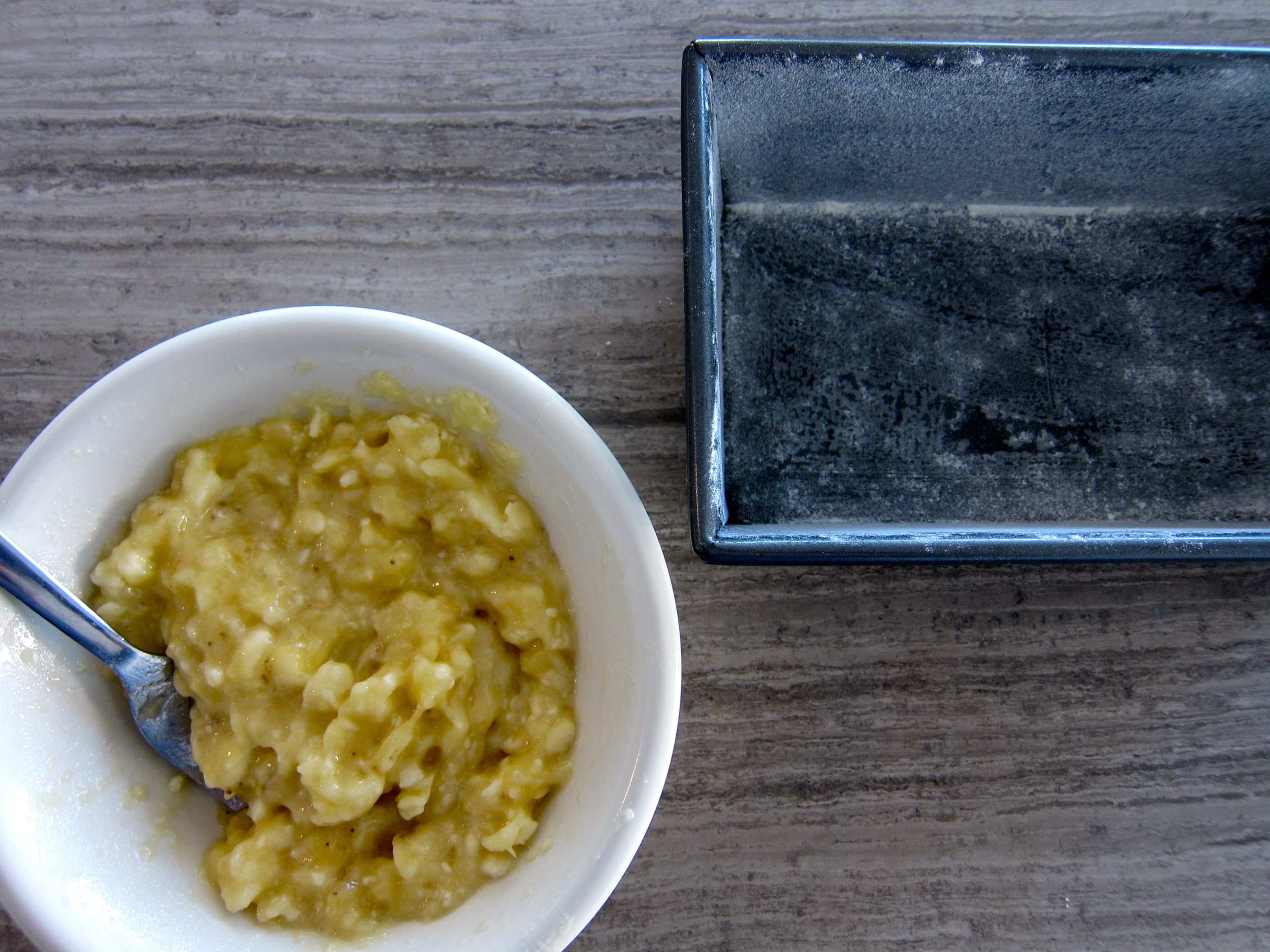
1 cup mashed ripe bananas (about 2 large)
3/4 cup vegetable oil

Preheat oven to 350°. Coat a 9x5x3-inch loaf pan with vegetable oil. Dust with flour and tap out excess.

Whisk flour, baking soda, and salt in a medium bowl. In a large bowl, whisk eggs, sugars, and bananas until smooth. Add dry ingredients to banana mixture and stir gently, just until there no more traces of flour. Pour the batter into prepared pan.

Bake until a tester inserted into the center of bread comes out clean, 60-70 minutes. Transfer to a wire rack and let bread cool in pan for 15 minutes. Run a knife around inside of pan to release the bread. Turn out onto rack and let cool completely.

You can make this 3-days ahead and store it in an airtight container at room temperature. Or you can slice it and wrap individual slices (or pairs) in plastic wrap and freeze them. Take out of the freezer at least two hours before eating and leave on countertop, unwrapped, to defrost.

Quick Dairy-Free Coconut Saffron Ice Cream

Last week, I cooked a three course dinner that was both gluten-free and dairy-free because one of our friends who joined us is allergic to both. Given those constraints, I started thinking about what to make for this dinner a few weeks in advance. I quickly realized that cooking gluten-free and dairy-free is manageable for savory dishes but when you get to dessert, it becomes a serious challenge.

IMG_2391

A challenge I absolutely loved (Top Chef here I come!). Once I decided on the appetizer (pea soup) and the main dish (roast chicken with potatoes and carrots), I started to go over my recipes for desserts. I didn’t want to go the easy way by making a fruit sorbet and call it a day. I wanted to make a dessert that screamed gluten and dairy but without having either of them.

So I chose to make bread pudding, served with ice cream. Yep, I went there.

IMG_2386

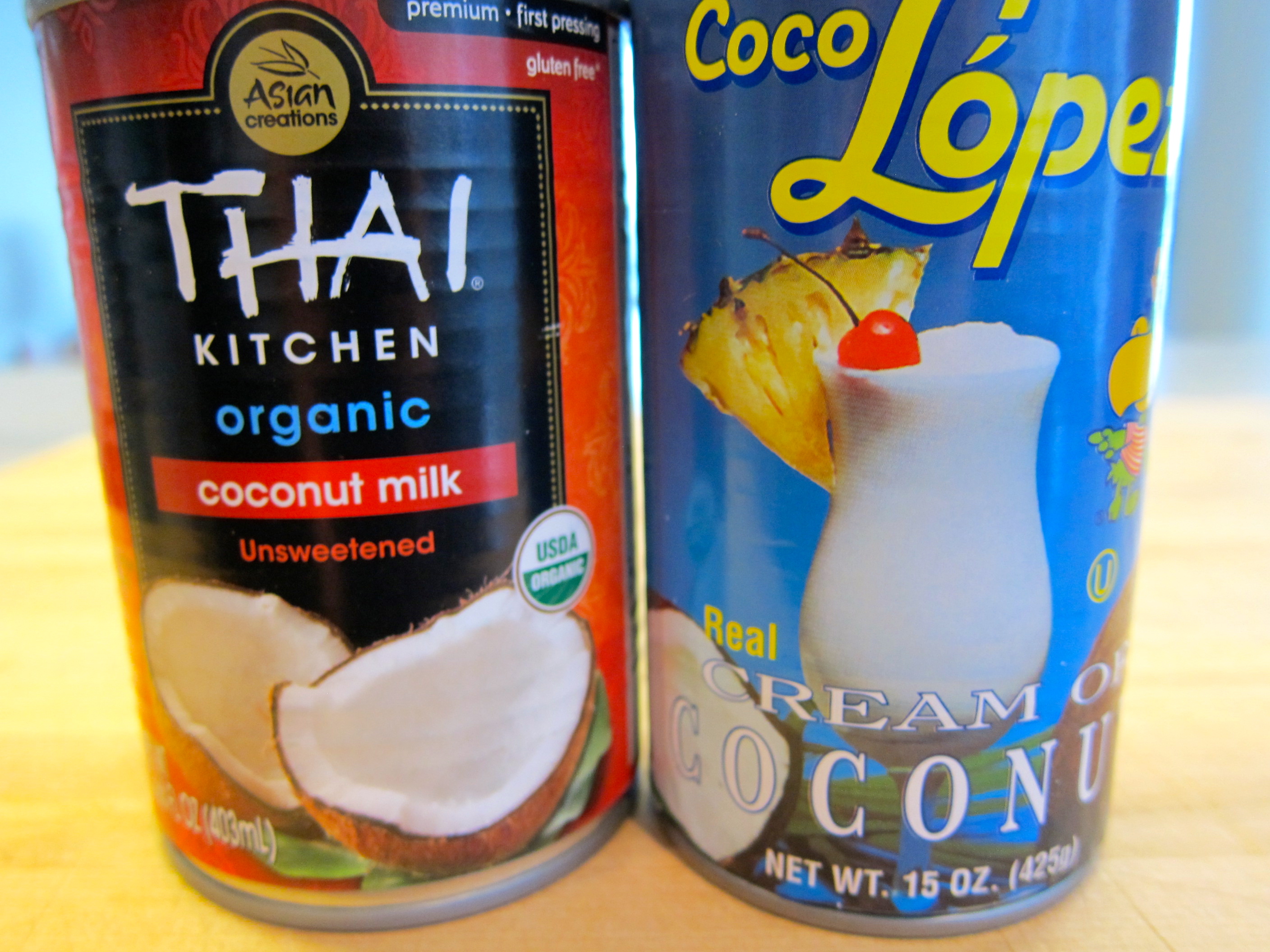
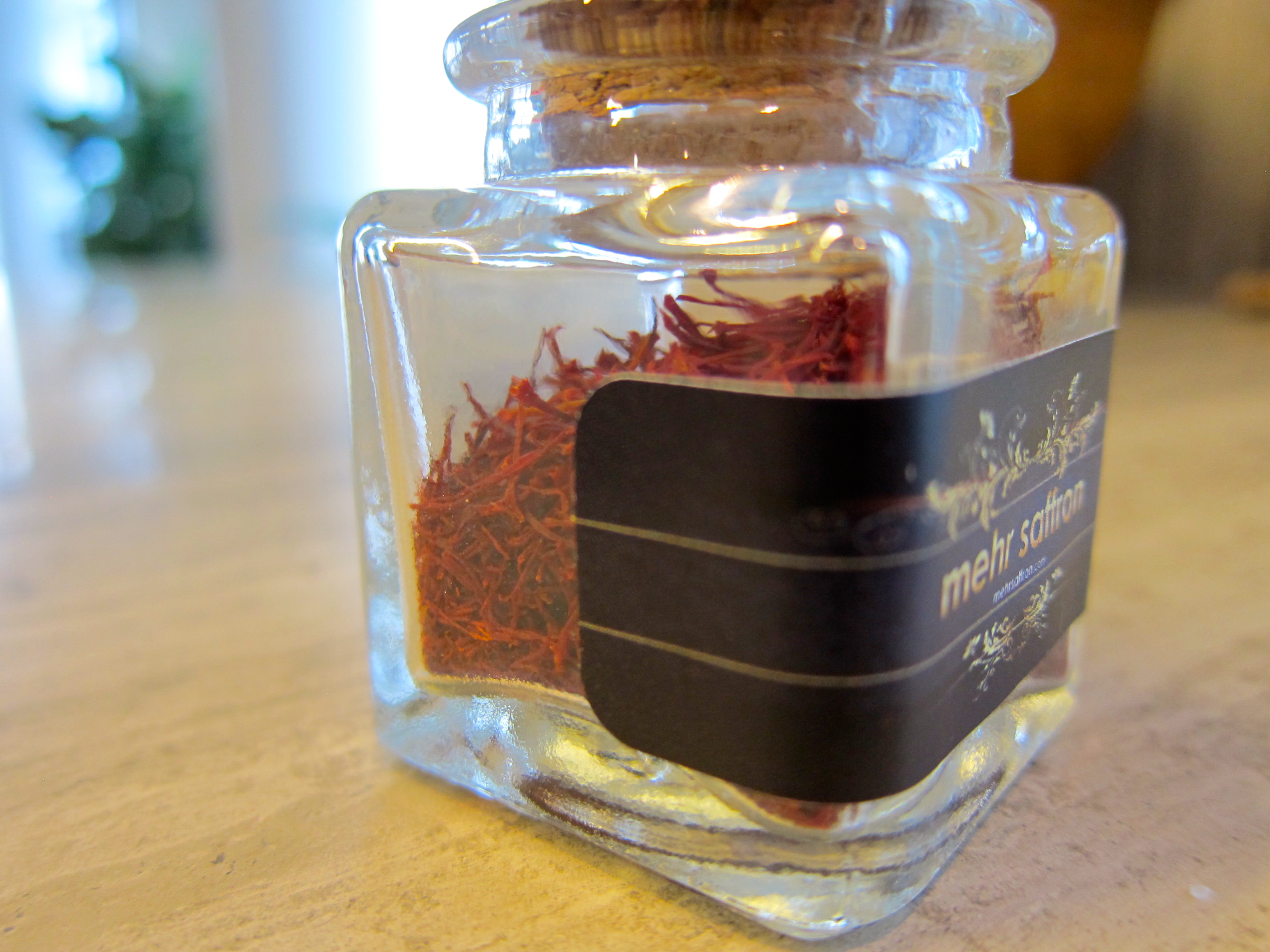
For the bread pudding, I used my go-to recipe (which I’ll share soon) and substituted regular bread for gluten-free croutons that I bought. I also replaced whole milk with coconut milk. The end result was delicious. The ice cream, however, was more of a challenge. I decided to stick with the coconut theme and I found a recipe by David Lebovitz for a quick coconut saffron ice cream that seemed promising. However, it used heavy cream. So, I decided to replace heavy cream with cream of coconut, which is really coconut milk with lots of sugar and a few thickeners (different types of gum) that turn it into a thick, sweet concoction that’s the basic ingredient in Pina Coladas.

IMG_2388

So, I opened a can of coconut milk and a can of cream of coconut, dumped them in a pot, and heated them gently until all the solids melted and it became a smooth liquid. I added a pinch of salt and a bigger pinch of saffron, heated it a little longer to let the saffron steep, chilled it in the fridge, and froze it in my ice cream maker.

I was skeptical on what the final product would be like, especially in terms of consistency. I expected a solid block on ice when I took it out of the freezer the next day. I was amazed when it turned out to be a beautiful, creamy ice cream that you could scoop with a spoon. The saffron had given it a golden yellow color that intensified the illusion that this ice cream was made with actual cream and egg yolks.

The final verdict on the whole dessert? Let’s just say that not a crumb of bread pudding or drop of ice cream was left over in everyone’s bowls.

IMG_2384

Quick Dairy-Free Coconut Saffron Ice Cream

If you don’t have saffron, or if you don’t like it, you can omit it. Though I haven’t tried them, other options for additions are lime zest, chopped dried pineapple or ginger, or chocolate pieces. For all of these alternative options, add them to the ice cream right when it’s finished being churned in the ice cream maker.

1 15oz can of coconut milk, unsweetened
1 15oz can of cream of coconut (such as Goya or Coco Lopez)
pinch of salt
hefty pinch of saffron threads (about half a teaspoon)

In a medium saucepan, combine the coconut milk and the cream of coconut. The cream of coconut is usually separated in the can, with the solid cream on top and the liquid syrup in the bottom. Add the entire contents of the can to the saucepan.

Heat gently over medium heat, stirring frequently until the cream of coconut solids melt and everything becomes a smooth liquid.

Add the salt and saffron and continue to heat gently for 2-3 minutes. The longer you steep the saffron, the deeper the saffron taste of your ice cream will be.

Remove from heat and chill in the refrigerator. Once the mixture is chilled, freeze it in your ice cream maker according to the manufacturer’s instructions.

Pea Soup with Fried Ramps and Pumpkin Seed Oil

I hated peas when I was a kid. Though, come to think of it, is there any kid that doesn’t hate peas? In my case, I remember them as these mushy, green orbs that were always a part of a traditional Greek tomato-based sauce we call yahni. They tasted grassy (which to a kid, is pretty much like eating dirt) and were wrinkly looking, like old skin.

IMG_2399

As an adult, I changed my mind about peas when I tasted fresh ones, just shelled from their snuggly pods, lightly steamed, and tossed with some melted butter and sea salt. Their flavor was nutty and their texture was soft but with a bite. Alas, fresh peas are only around in late fall. But thanks to my friend JC, I realized that there was another way I could love peas: in a soup. The first time I had a version of this pea soup that he made, I asked him for the recipe. When he told it was basically just peas, I was amazed. And the best part is that since the peas get blended to a smooth liquid, frozen ones work just fine.

IMG_2395

This pea soup is a dinner party staple in our household. It’s super simple to prepare and it makes for an elegant and delicious appetizer. It’s also amenable to improvising. Here, I’ve served it with a drizzle of pumpkin seed oil, which has a deep toasted nut flavor that compliments the creaminess of the peas beautifully. And since it’s the season for ramps right now, I fried a few in some hot oil until crispy, and added them on top of the soup.IMG_2393

Pea Soup with Fried Ramps and Pumpkin Seed Oil

Note: This soup can be made vegetarian by using 1 cup of vegetable stock instead of chicken stock and adding no milk. Instead of the ramps and pumpkin seed oil, you can top it with anything you like. Some suggestions are: a dollop of sour cream or creme fraiche, fried shallots, chopped nuts, walnut oil or almond oil.

10oz of frozen peas, thawed in the refrigerator*
3/4 cup chicken stock
1/4 cup milk
salt and pepper

* My favorite brand is Cascadian Farm, Premium Organic Sweet Peas, but any good brand will do.

In a blender, add thawed peas, chicken stock, and milk. Blend until the soup is completely smooth. If your blender doesn’t completely blend the peas and you want a perfectly smooth soup, you can strain the soup through a fine mesh strainer.

Pour blended soup in a small pot and add salt and pepper to taste. Heat over medium heat, stirring often.

Serve with a drizzle of pumpkin seed oil and a few chopped ramps that you have fried in hot vegetable oil until crispy (optional).

Yield: 2 servings

Marion Cunningham’s Raised Waffles

A couple of years ago, we visited some friends out west. We arrived in the early evening, so they picked us up at the airport and we drove to a restaurant to eat. After dinner we went to their home where we chatted and caught up until it was time for bed. At that point, they told us what was available for breakfast. I don’t remember exactly what they said but it was something like “There’s some cereal in here. And there’s some milk in the fridge.”IMG_2313

A few minutes later, Steve and I were in the bedroom getting ready for bed, when he turned to me and said “I guess they don’t take breakfast as seriously as we do, do they?” I cocked my head to the side, raised my eyebrows and replied “Nobody takes breakfast as seriously as we do!”

Every morning we sit down and eat breakfast together and it’s not unusual for us to spend 15-20 minutes preparing it. Steve is in charge of the coffee, which on the weekends resembles a Japanese tea ceremony (there’s weighing of beans, grinding them at a specific size, boiling water to a precise temperature, and more) and I am in charge of drinks (fresh fruit smoothies or juiced fruits and veggies). The food is some kind of baked good, oatmeal, toasted home-made bread with butter and honey or jam, or granola. Everything is homemade of course.

IMG_2312

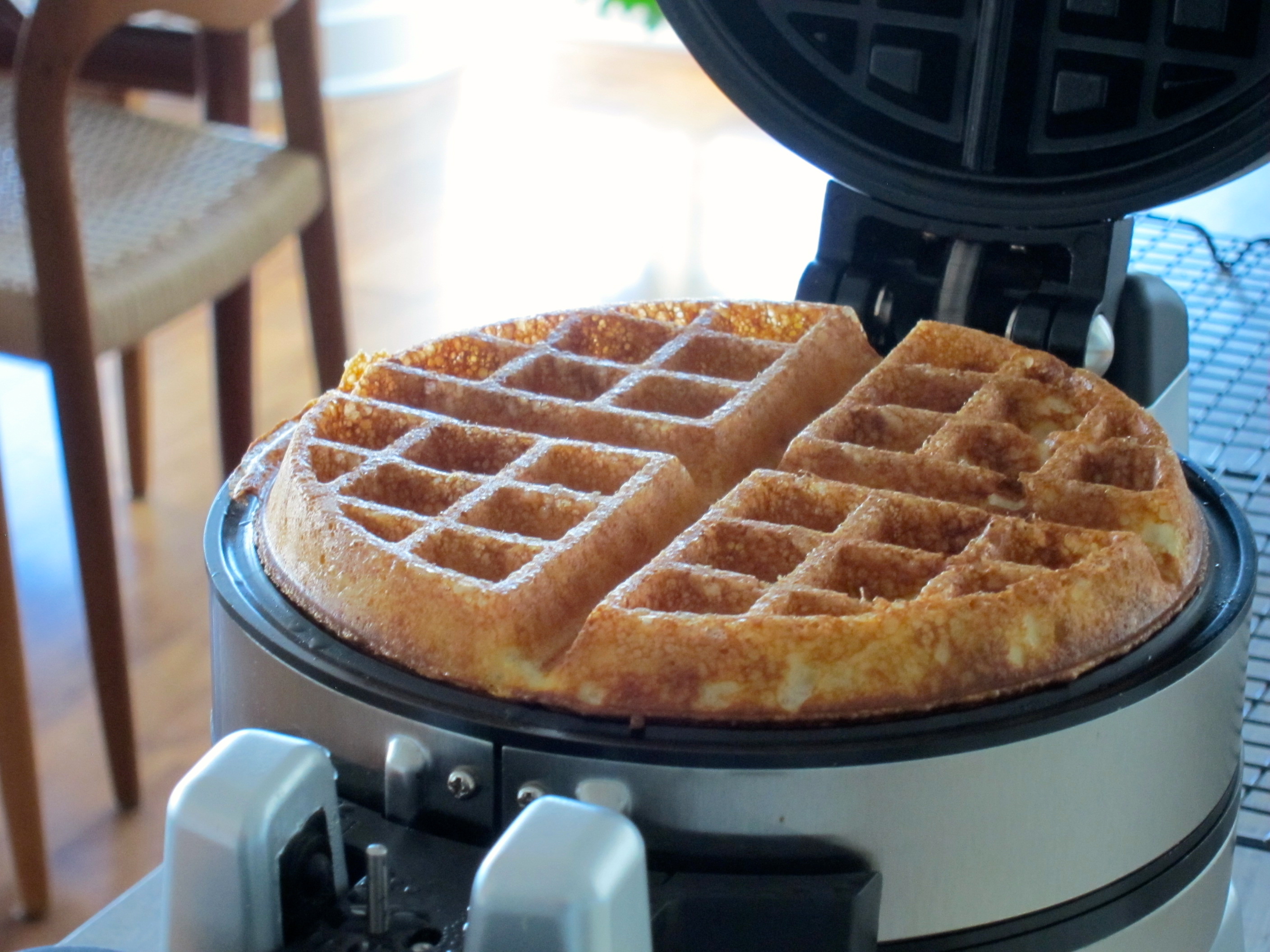
So, yes, we take breakfast seriously. And nothing says “serious breakfast” like freshly made waffles. We used to make sourdough waffles with a starter we kept in the fridge, but then we discovered this recipe for yeasted waffles that blew our minds and we never looked back. The batter is prepared the night before and left on the countertop overnight, during which time it rises and then collapses. In the morning, you add two eggs and a touch of baking soda and it’s ready for cooking.

IMG_2316

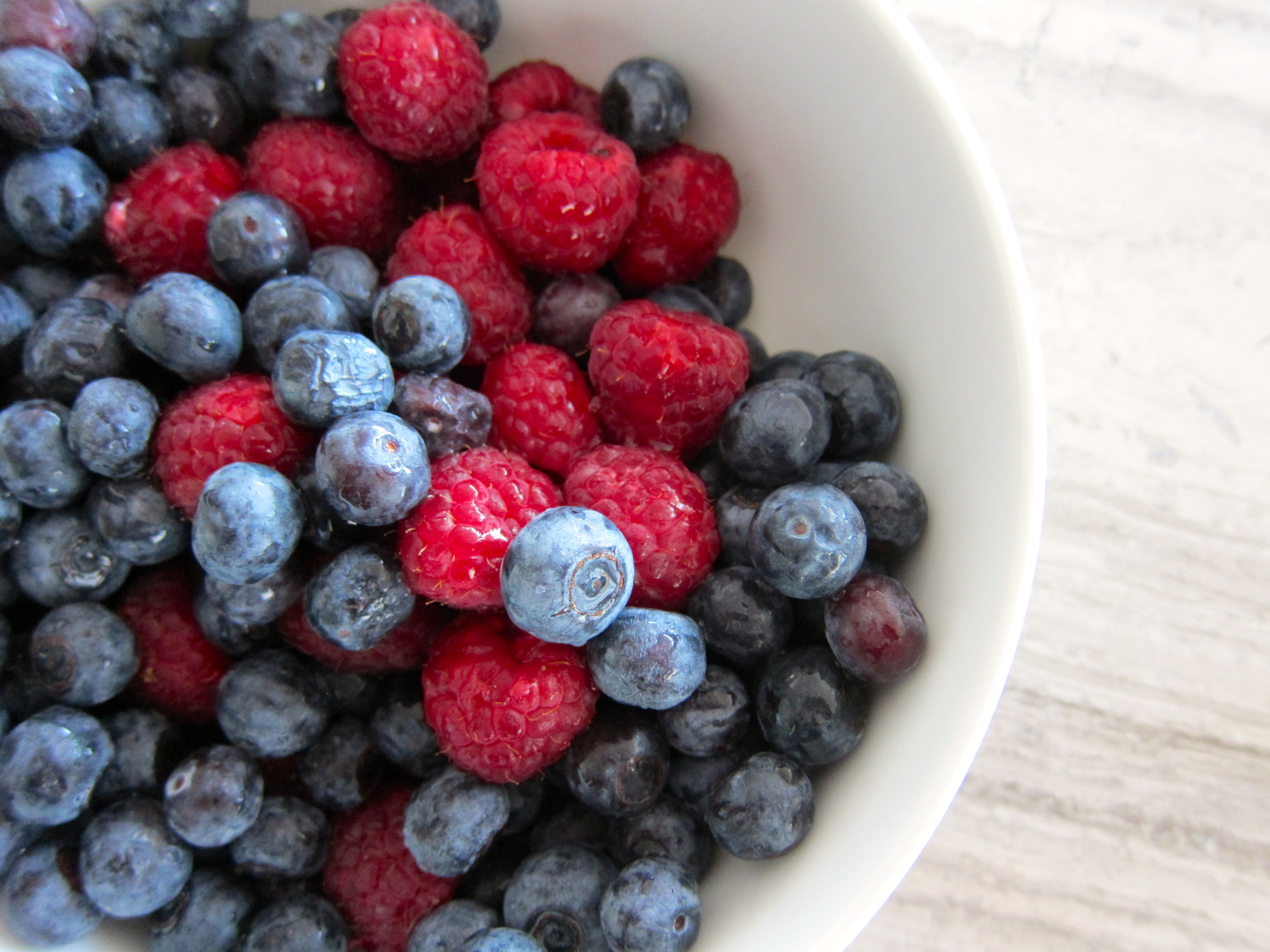
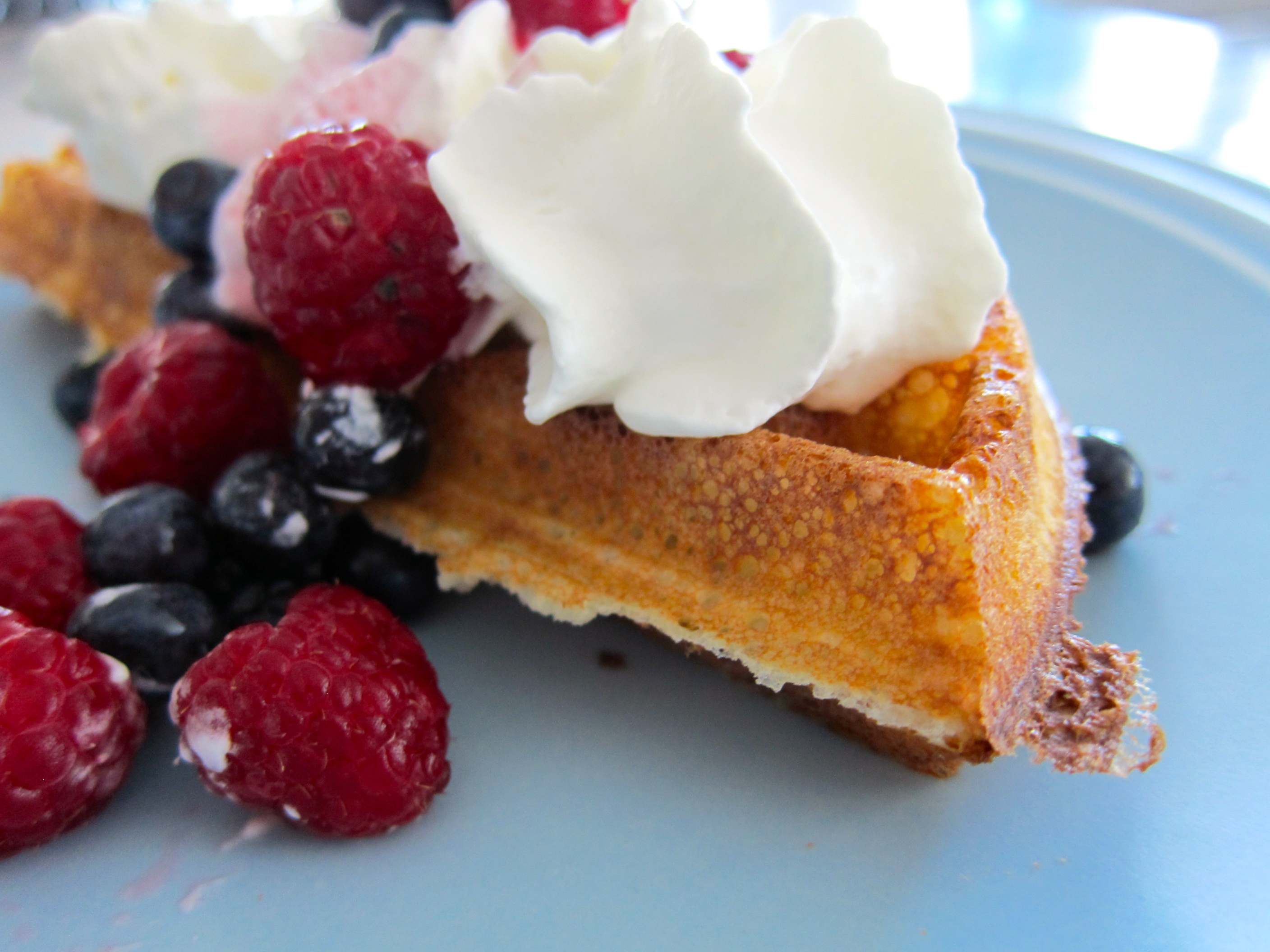
The yeast makes all the difference here. It makes the waffles  crispy and filled with tiny bubbles so that when you bite into them, they dissolve in your mouth with a satisfying crunch. It also gives them an addictive malted taste and aroma that fills the house as they cook. We’ve discovered that the best way to eat them is by first pouring maple syrup on them, adding a dollop of freshly whipped cream and topping them with sliced strawberries.

Is this a serious breakfast or what?

Marion Cunningham’s Raised Waffles – Adapted from “The Breakfast Book

½ cup warm water
1 package (2 ¼ tsp.) active dry yeast or 1 3/4 tsp instant yeast
2 cups whole milk, warmed
1 stick (½ cup or 113g) unsalted butter, melted and cooled slightly
1 tsp. table salt
1 tsp. sugar
2 cups (250g) all-purpose flour
2 large eggs, lightly beaten
¼ tsp. baking soda

– If you are using active dry yeast, pour the water into a large mixing bowl. Sprinkle the yeast over the water, and let stand to dissolve for 5 minutes. Add the milk, butter, salt, sugar, and flour, and beat with an electric mixer until well blended and smooth.

– If you are using instant yeast, add the water, milk, butter, salt, sugar, flour, and yeast into a large mixing bowl. Beat with an electric mixer until well blended and smooth.

Cover the bowl with plastic wrap, and let it stand overnight at room temperature. We’ve found that when we let the batter sit for 12 hours, the waffles have the most intense, malted flavor, but you can go as low as 7-8 hours.

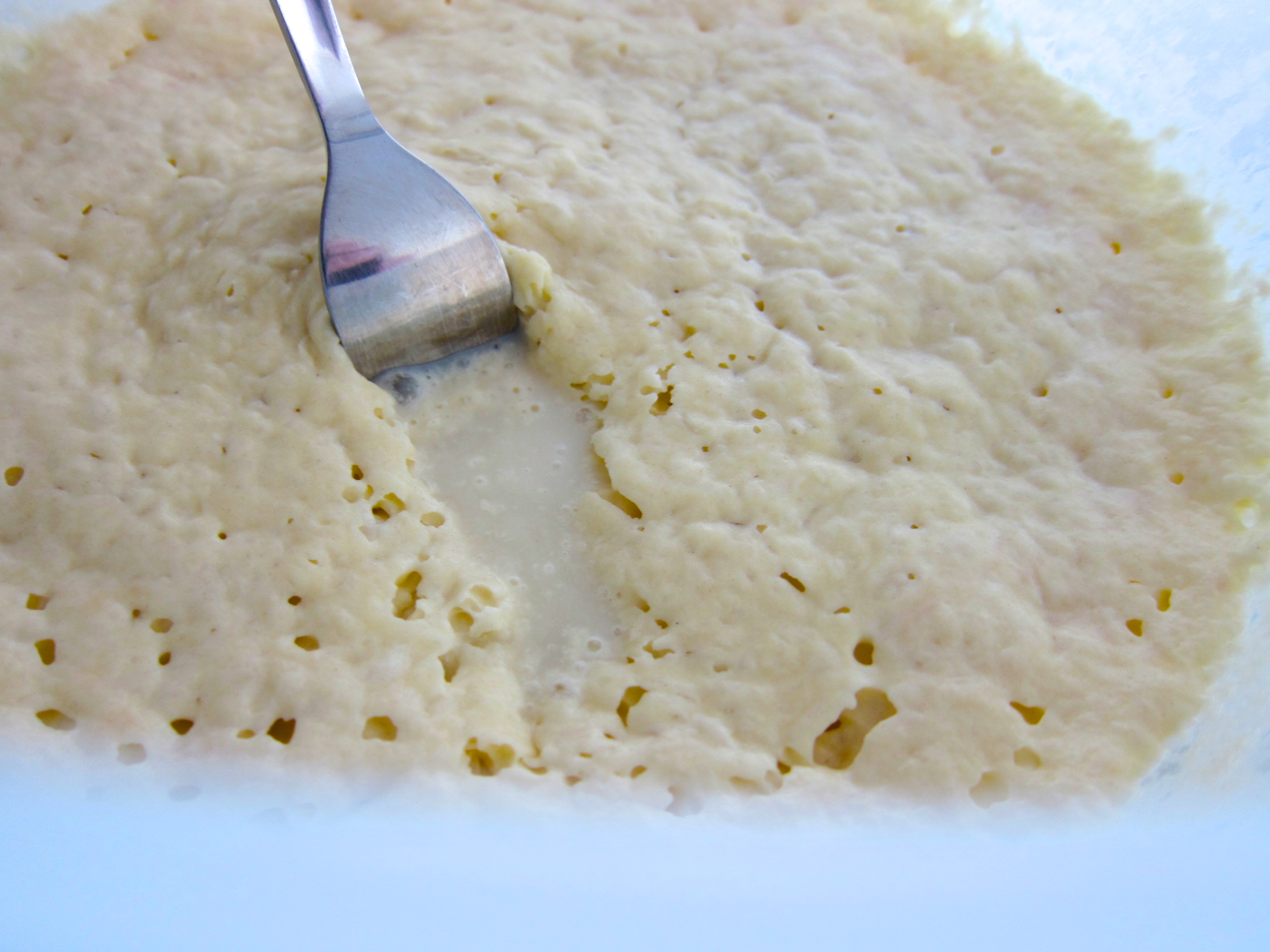
In the morning, remove the plastic wrap. The batter will look deflated with a pocked surface. It will also look like it separated over night. Don’t worry, that’s how it’s supposed to be! (The first time we tried the recipe, we thought it went bad, so we threw it out and then tried a second batch which was exactly the same, until a little research online revealed that it’s supposed to be exactly like this).

IMG_2311

Preheat your waffle maker to a medium-high setting (you’ll have to experiment with your waffle maker because each one is different). Stir the batter with a fork or spoon until it is smooth again. Add the lightly beaten eggs to the batter along with the baking soda. Mix the batter until fully combined. The batter will be very thin.

Cook in your waffle maker until the waffles are golden brown and crisp. As you take the waffles out of the waffle maker, place them on a cooling rack to prevent them from getting soggy on the bottom.

Any leftover waffles, once completely cool, can be wrapped in plastic wrap and frozen. Whenever you want them, just reheat them in a toaster straight from the freezer (no thawing required).

Two-Minute Barbecue Sauce

This week it hit almost 80 degrees in New York. That’s the way it goes usually. We have winter, which never seems to end, and then bam! we have summer. Spring winks at us as she passes by for a week or two. Granted, we do have beautiful falls (lovely indian summers) but I would love a nice prolonged spring once in a while.

In any case, warm weather inevitably puts people in a grilling mindset around here. Which is funny, given than New Yorkers rarely have outdoor space where they can grill. But we make do. Some keep grills (illegally) on their tiny balconies. Others use communal back yards. And some (like me), use a stovetop grill pan to get some grill marks but, alas, no smoke.

IMG_2344

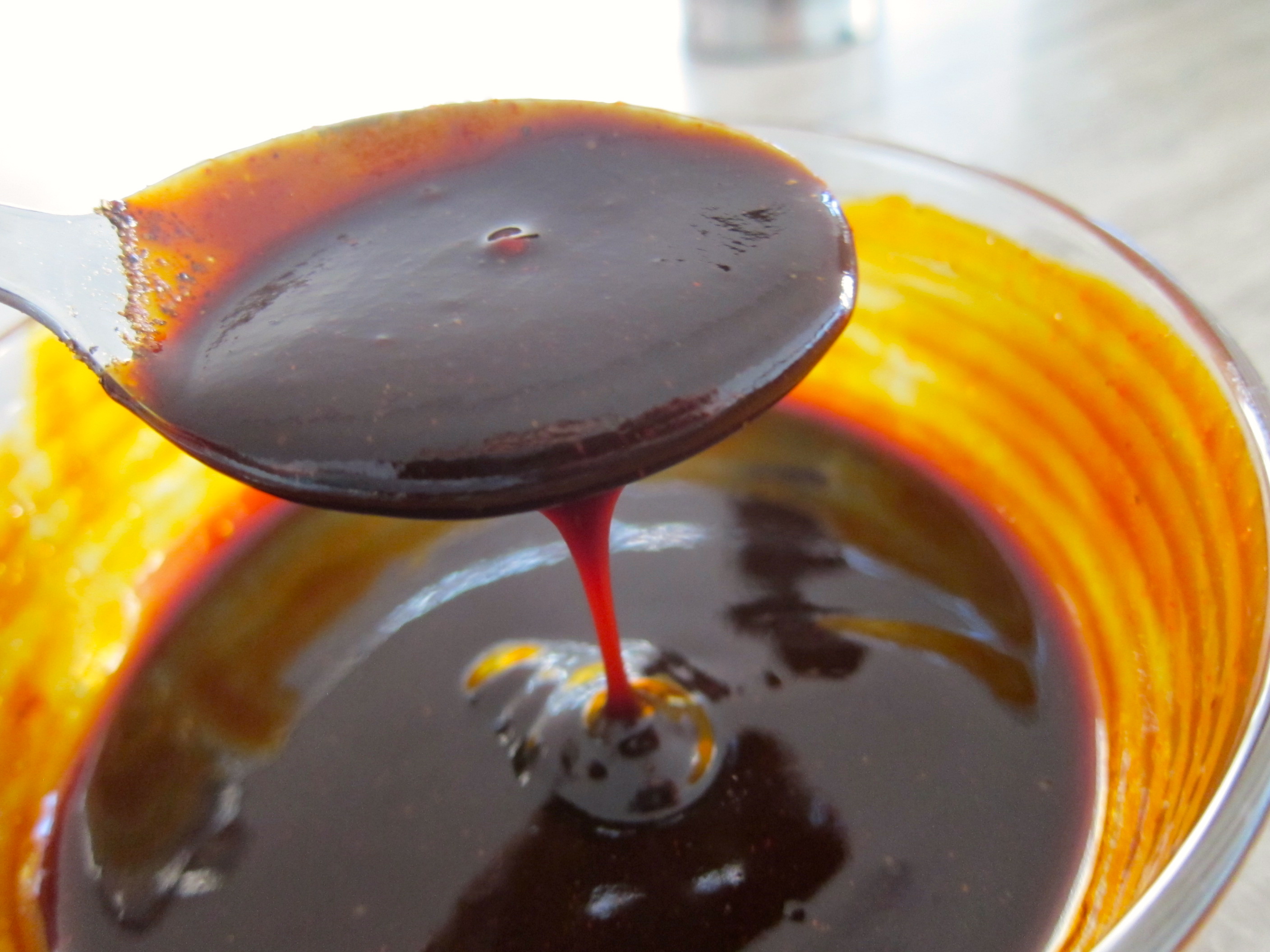
Nothing goes better with grilled meat than barbecue sauce. Of course, I am reluctant to buy the bottled stuff, wary of long, indecipherable ingredient lists, so I have created my own recipe for a super quick two-minute barbecue sauce. Yep. Two minutes. And you really only need those two minutes to gather the ingredients. After that, you just mix them together with a spoon and you’re done. All of the ingredients are things you probably already have in your pantry except for the liquid smoke (it lasts forever so I just keep a bottle in the pantry) and the smoked paprika, which, if you don’t have, you should buy immediately. It makes everything better.


IMG_2348

The end result is a smooth, smoky barbecue that is great brushed on chicken breasts or skirt steak and can be kept in the fridge for a long time if you make more than you need.

The other great thing about this barbecue sauce is that it can serve as your own palette that you use to make your own individual version of a barbecue sauce. You want an Asian flair? Add hoisin sauce. You want a kick? Add Sriracha sauce or cayenne pepper. You like your barbecue sauce sweeter? Add maple syrup.

Happy grilling!

IMG_2357

Two-Minute Barbecue Sauce

1/4 cup ketchup
2 tablespoons molasses
1 tablespoon soy sauce
2 teaspoons Worcestershire sauce
1/2 teaspoon liquid smoke
1/2 teaspoon smoked paprika (pimentón)
1/2 teaspoon lemon juice
ground black pepper

In a small bowl, mix all the ingredients with a spoon until you have a smooth, liquid sauce.

This is the basic recipe for the barbecue sauce, which you can improvise with by adding other ingredients to “flavor” your sauce. Some of the things that work well are:

  • Maple syrup
  • Stone ground mustard
  • Hoisin sauce
  • Orange zest
  • Prepared horseradish
  • Sriracha sauce

Chocolate Sherbet

Have you every made your own ice cream or sorbet, put it in the freezer to set, and tried the next day to scoop it out, only to find out it is frozen solid and can’t be scooped or even drilled into? Sure you can let it sit out for 10-15 minutes but first of all, who has the patience, and second, usually the outside will have melted enough but the inside will be still frozen solid.

IMG_2247

There are three ways to avoid that when making ice cream or sorbet. The first way (and this applies mainly to ice cream) is to displace as much of the water in your base with fat. So, the more cream (as opposed to milk, or god forbid, low fat or skim milk) you have in your base, the less your ice cream will become a block of ice.

The second way is with corn syrup. I know, I know. It’s the devil’s milk, that evil corn syrup. Actually, that’s high fructose corn syrup. That’s the really evil stuff. Plain corn syrup (Karo syrup) isn’t that bad for you. And in ice creams or especially sorbets, we’re talking a couple of tablespoons for a quart of ice cream. Since corn syrup doesn’t freeze, your frozen treat remains scoopable when you add some to the base.

IMG_2239

The third way is alcohol. The higher proof, the better. Kirsch, for example, is a great addition to sorbets to keep them soft in the freezer. Again, we’re talking a couple of tablespoons, not a martini glass full of vodka.

IMG_2238IMG_2238

David Lebovitz, who is my ice cream guru, posted a great recipe for a chocolate sherbet on his blog (which is one of my favorite food reads). A sherbet is like a sorbet, except it uses some milk instead of all water. In this case, it’s whole milk. Even though he says you can use low fat or skim milk I wouldn’t recommend it (see my point above about water vs. fat in your base).

IMG_2244

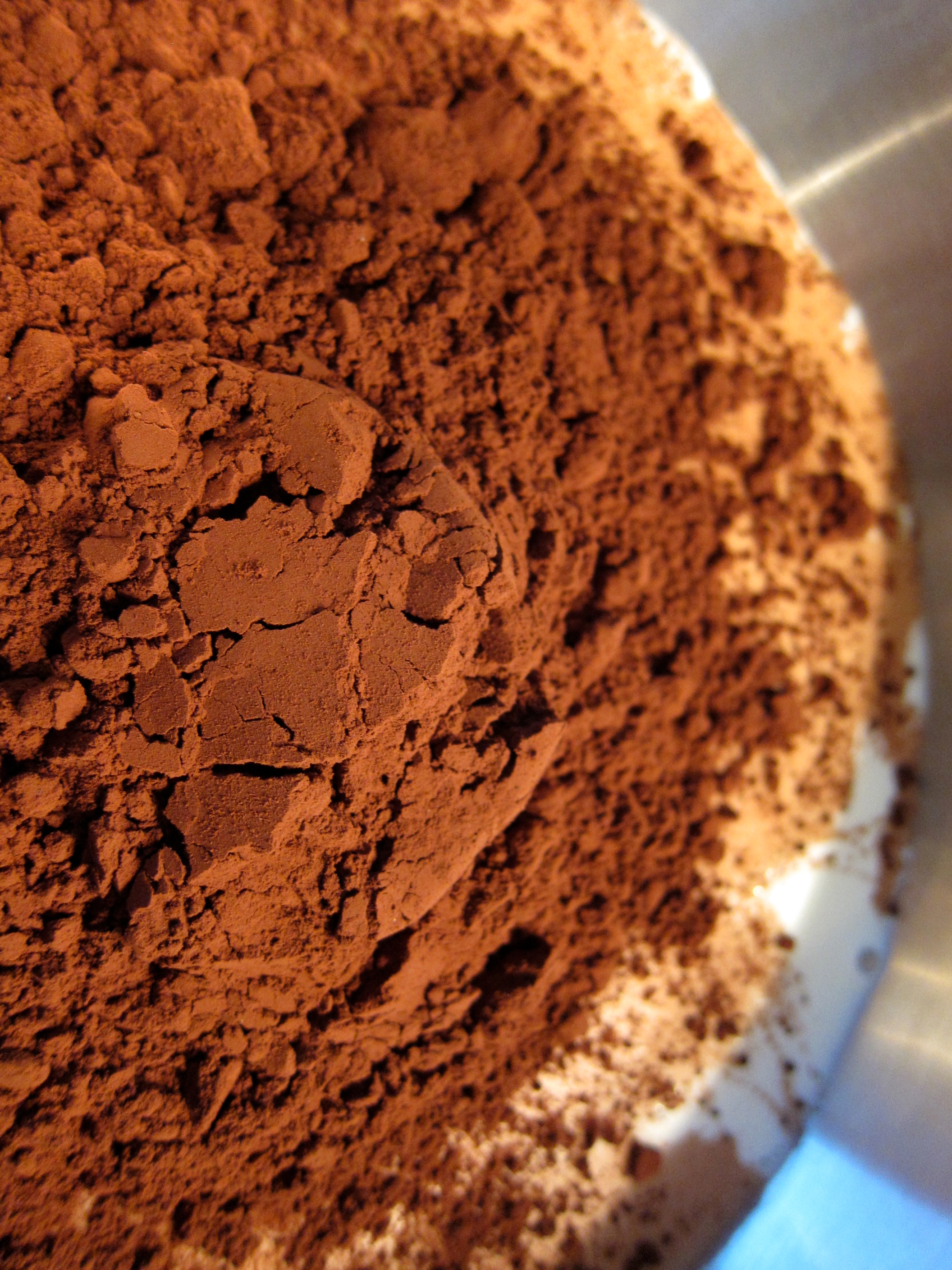
The milk helps the sherbet stay a little softer in the freezer but it’s not enough. He also recommends two tablespoons of your favorite coffee-flavored liqueur. Though he says it’s optional, for me it’s essential in order for the sherbet to have great texture. The result is a luxurious frozen treat. The cocoa gives it an intense, dark chocolate flavor that’s not diluted by cream or eggs. We love to eat it with a little sea salt sprinkled on top right after we (easily) scoop it out of the container where it happily lives in the freezer.

Chocolate Sherbet – Slightly adapted from DavidLebovitz.com

2 cups (500ml) whole milk (I’ve also used coconut milk successfully, which turns this into a vegan dessert)
1/2 cup (100g) sugar
a pinch of salt
1/2 cup (50g) unsweetened cocoa powder (use good quality cocoa; my favorite is Valrhona)
4 ounces (115g) semisweet or milk chocolate, chopped (I usually prefer the Extra Rich Milk Chocolate by Scharffen Berger)
1/4 teaspoon vanilla extract
2 tablespoons coffee-flavored or chocolate-flavored  liqueur

Put chopped chocolate in a heat-proof medium-sized bowl and set aside.

In a medium-sized saucepan, add 1 cup of milk, sugar, salt, and cocoa powder. Over medium-high heat, bring it to a full boil, whisking frequently to dissolve the cocoa and prevent scorching in the bottom. As soon as it comes to a full boil (careful because it can boil over), reduce the heat and simmer it gently for 30 seconds. This will “bloom” the cocoa powder, intensifying its flavor.

Pour cocoa mixture over the chopped chocolate and stir with the whisk until it has all melted. Add the vanilla, the liqueur, and finally the other 1 cup of milk. Stir to combine.

Chill the mixture thoroughly, then freeze in your ice cream maker according to the manufacturer’s instructions.

Fried Egg with Ginger Fried Rice

When I was a kid, there was only one Chinese restaurant in our city and it was a nice one. I still remember its name: Pagoda. We went there only on very special occasions, maybe once a year, since it was expensive for my family. But we all just loved it. It was the closest thing we had to a vacation in an exotic land.

IMG_2329

The food was so different than what we were used to: sweet and sour chicken, crispy spring rolls, pork with pineapple. These were unheard of flavor combinations and textures in our everyday diet. We kids loved the big round tables with the lazy susan center that allowed everyone to sample from the many dishes without getting up. And I still remember the nice waiter who taught me how to use chopsticks, a skill I proudly demonstrated every time we went back.

IMG_2318

You can imagine my delight when I arrived in the U.S. to study and I found out that Chinese food was everywhere and dirt cheap. In Philadelphia, where I lived, there were even trucks selling it on every street corner! My still-new palate found every greasy, overcooked, laden with sugary sauce dish to be a culinary treasure. It took a few years to start relegating American Chinese food to the bottom of the list of my favorite foods.

IMG_2320

IMG_2322

Fortunately here in New York, along with the abundance of terrible Chinese food, there are also some great places from which we sometimes order food delivery. But every single dish comes with the obligatory box of rice, very little of which we eat. I’ve always hated throwing out the leftover rice until a couple of years ago, I saw Mark Bittman of the New York times introduce a recipe for using it up.

IMG_2325

This is technically a recipe by Jean-Georges Vongerichten and it’s really just a simple fried rice recipe. But its simplicity belies the incredibly satisfying combination of flavors and textures that is this dish. It takes just a little chopping and some quick sautéing and it uses things you most likely already have in your kitchen.

IMG_2323

So if one night this week you order Chinese takeout (Thai takeout rice works as well. I don’t like to use the rice from Indian takeout because I find it’s too dry for this recipe), save a box or two of that fluffy white rice. A day or two later, when you are breaking the creamy yellow yolk over the richly flavored rice, scooping it up with bits of crispy garlic and ginger, you’ll be happy you didn’t throw the rice out along with the unopened fortune cookies and unused chopsticks.

IMG_2330

Fried Egg with Ginger Fried Rice – Adapted from the New York Times

1/2 cup canola or vegetable oil
2 tablespoons roughly chopped garlic
2 tablespoons roughly chopped ginger
1 very thinly sliced large onion (alternatively you can use leeks, white and light green parts only, rinsed and dried, about 2 cups thinly sliced)
4 cups day-old cooked white rice (don’t worry if you have a little less or more; use what you have)*
4 large eggs
2 teaspoons sesame oil
4 teaspoons soy sauce

The rice has to be at least a day old (keep it in the fridge). Fresh rice is too moist to work for making fried rice.

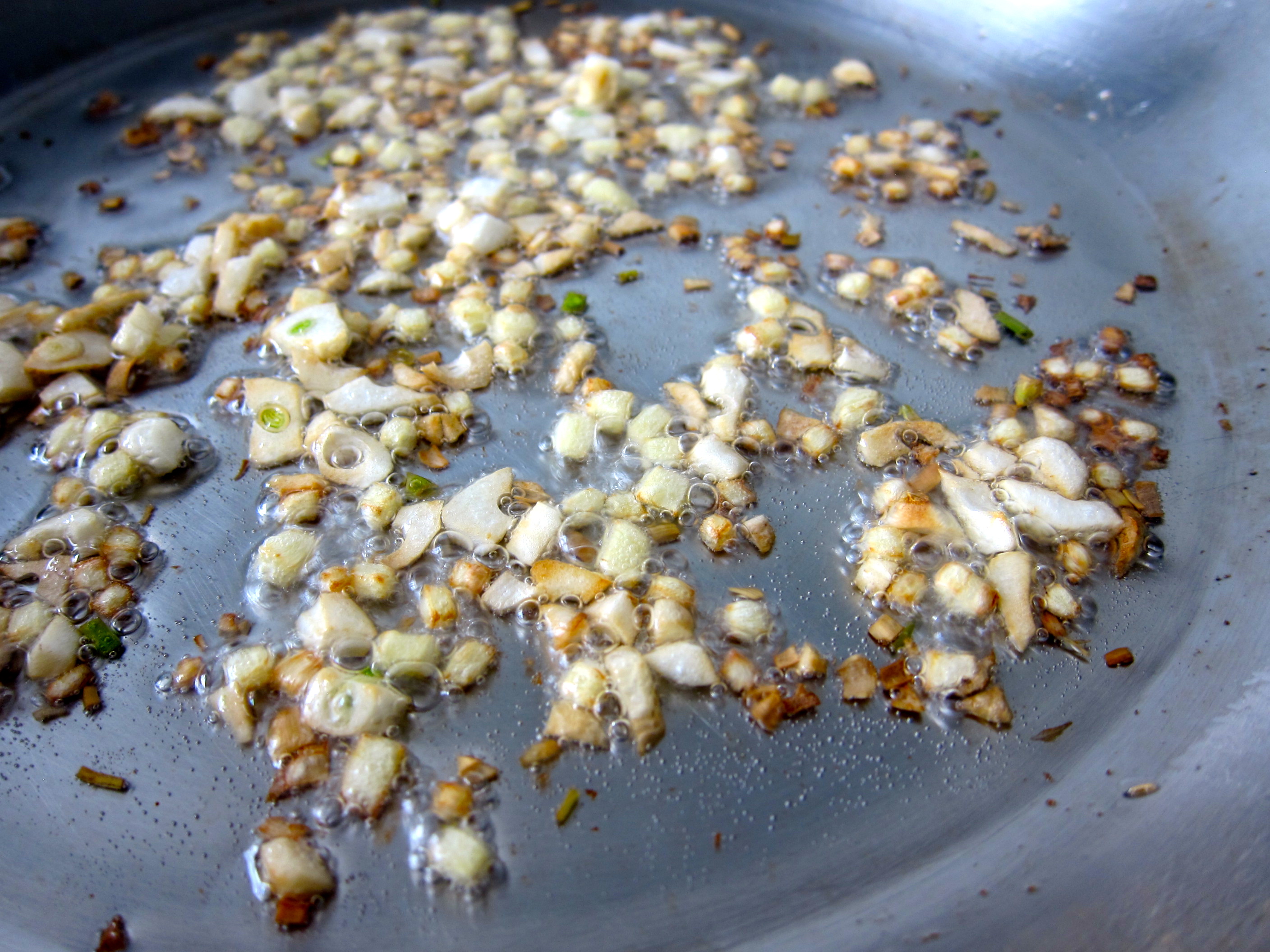
In a large skillet, heat 1/4 cup of the oil over medium heat. Add garlic and ginger and cook, stirring occasionally, until crisp and golden brown. Immediately, with a slotted spoon, transfer to paper towels and set aside.

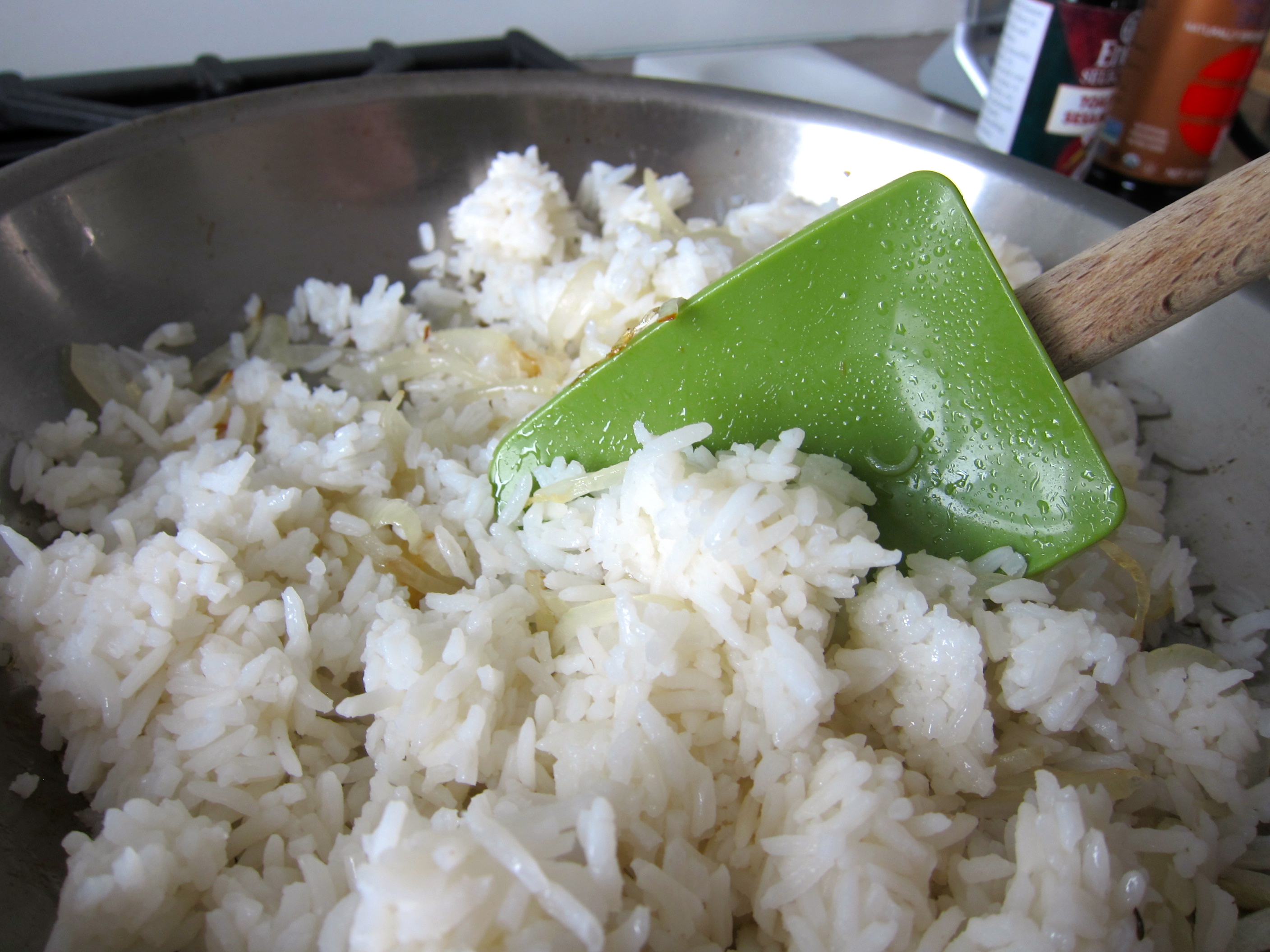
Add onions and cook, stirring occasionally, until very tender and starting to brown at the edges. Add the rice. Cook, stirring well, until heated through, about 1-2 minutes. Divide the rice among four large soup bowls or plates.

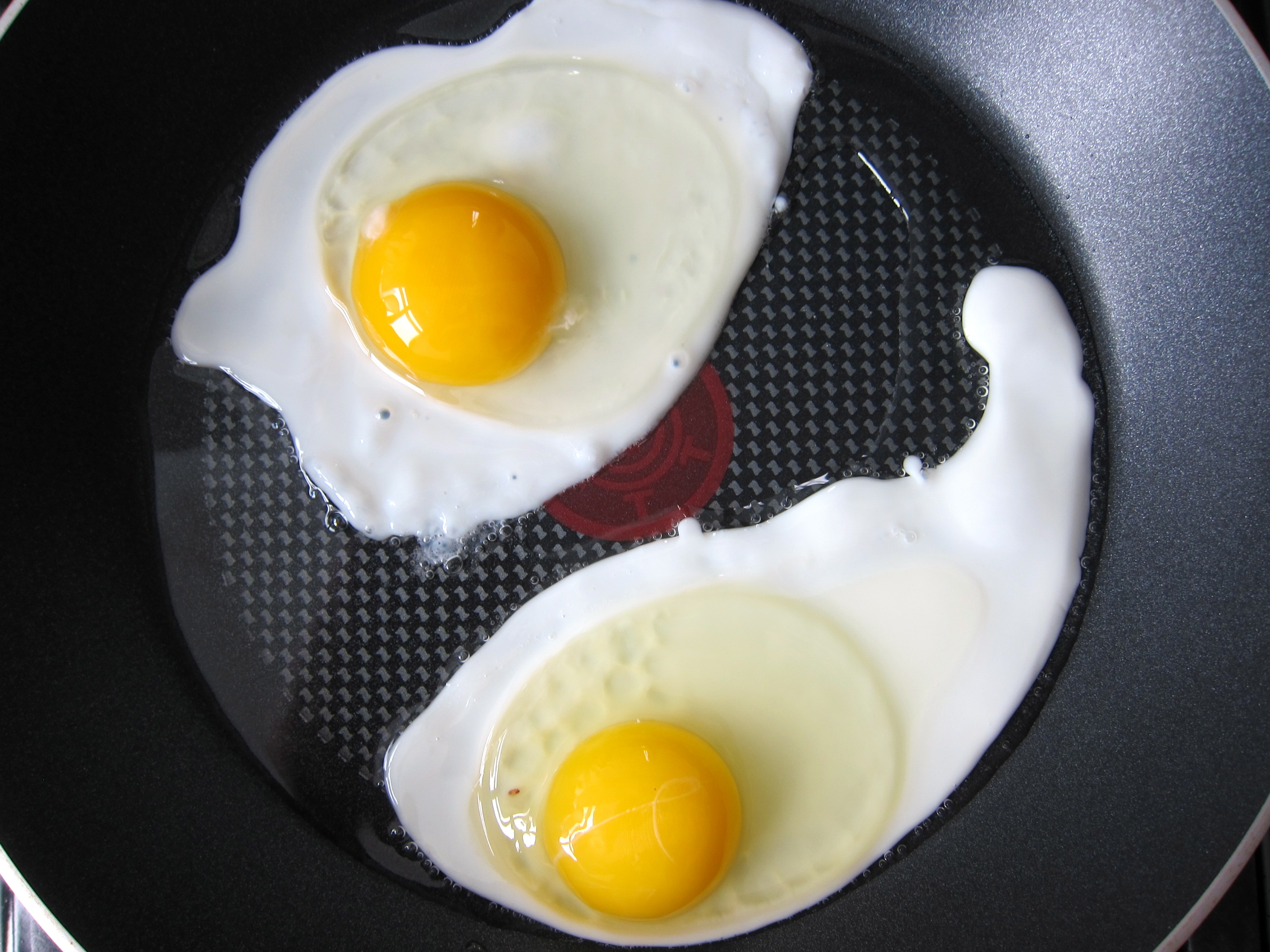
Add the remaining oil in the skillet, and fry eggs sunny-side-up, until edges are set but yolk is still runny.

Top the rice in each bowl or plate with an egg and drizzle with 1/2 teaspoon sesame oil and 1 teaspoon soy sauce. Sprinkle crisped garlic and ginger over everything and serve immediately.

Makes: 4 servings