Steve’s Vegetable Chili

DSC03430

Steve has always talked about the vegetable chili he used to make in college. He has talked about how other students would appear in the kitchen when they smelled the zucchini sautéing in olive oil. Everyone loved it, he has always claimed.

I was not convinced. An all-vegetable chili just didn’t sound that appetizing to me. So we never made it.
DSC03439

Steve insisted. “My mom sent me to college with this recipe,” he always liked to remind me. Every now and then, he’d go through the folder with printouts of old recipes that he’s had for a couple of decades and he’d show me the xeroxed page from Parade magazine in 1986, with his mom’s handwritten changes and additions to the original recipe for “Red Hot Vegetable Chili.”

I was still not convinced. The recipe went back in the folder and we moved on to something else.

DSC03443

Then a week ago, we were hosting some friends, one of whom is vegan. As we were trying to plan a menu for the dinner we would cook for them, the vegetable chili came up again. This time I relented. We bought everything we needed and spent Saturday afternoon making it together.

I began to suspect that he had been right all along, that the chili would be good, when I put together the spices that went into it. That was a lot of spices. But it wasn’t until we sat down and I took a first bite that I really understood. This chili was exceptional, managing to explode with flavor without even a hint of meat. Every bite offered texture, a little heat, gentle sweetness, and sultry smokiness. I couldn’t stop eating it.

I was finally convinced.
DSC03447Steve’s Vegetable Chili – Adapted from Parade magazine

Ingredients:

1/2 cup olive oil
4 medium zucchini, cut into 1/2 inch cubes
3 medium yellow onions, chopped
6 cloves garlic, finely chopped
2 large red bell peppers, cored and chopped
2 28 oz cans of whole peeled tomatoes
3 tablespoons chili powder
1 tablespoon smoked paprika
1 tablespoon ground cumin
1 tablespoon dried oregano
2 teaspoons freshly ground black pepper
3 teaspoons salt
1 teaspoon fennel seeds
1/2 cup chopped Italian parsley
1 14.5 oz can red kidney beans, drained
1 14.5 oz can chickpeas, drained
1 tablespoon chopped fresh basil
1/2 cup chopped fresh dill
2 tablespoons lemon juice

Directions:

Heat oil in a large pot over medium heat. Add zucchini and sauté until just tender. Remove zucchini from pot. Add onions, garlic and red pepper to the pot and sauté until just wilted, about 10 minutes. Lower heat to medium low.

Using kitchen sheers or two knives, roughly cut up tomatoes in their cans. Pour tomatoes with their juices in pot with onions. Add chili, cumin, oregano, pepper, salt, fennel and parsley. Stir to combine. Cook uncovered for 30 minutes, stirring often.

Stir in kidney beans, chickpeas, basil, dill, and lemon juice. Cook for 15 minutes more. Stir well and adjust seasonings to taste.

Serve over plain white rice or polenta.

Brown Sugar Clafoutis with Pears and Cranberries

DSC03452

My evolution as a cook and a baker has mirrored my life. At first (in my early twenties), much like a baby, I took small hesitant steps in the kitchen and I was amazed by just about everything I cooked (instant ramen noodles!). I soon grew more daring, and, like a hyperactive toddler, started to experiment wildly with my newfound hobby, most of the time falling flat on my face (undercooked chicken; burned veggies; I guess eggs will cook when you pour hot milk in them). A few years of cooking under my belt and I started to get serious. Just like a precocious teenager or a self-involved young adult, I developed strong opinions (I only use European style butter!) and became decidedly preoccupied with appearances. I wanted everything I cooked to look amazing. Flavor was important but presentation was king.

I guess I’ve now reached the middle age stage of my life as a cook (conveniently at the same time as the middle age stage of my actual life). Much of the time my cooking is about simplicity, convenience, and strong flavor. I favor recipes that make intuitive sense and result in deeply satisfying food without too much fuss.

DSC03459

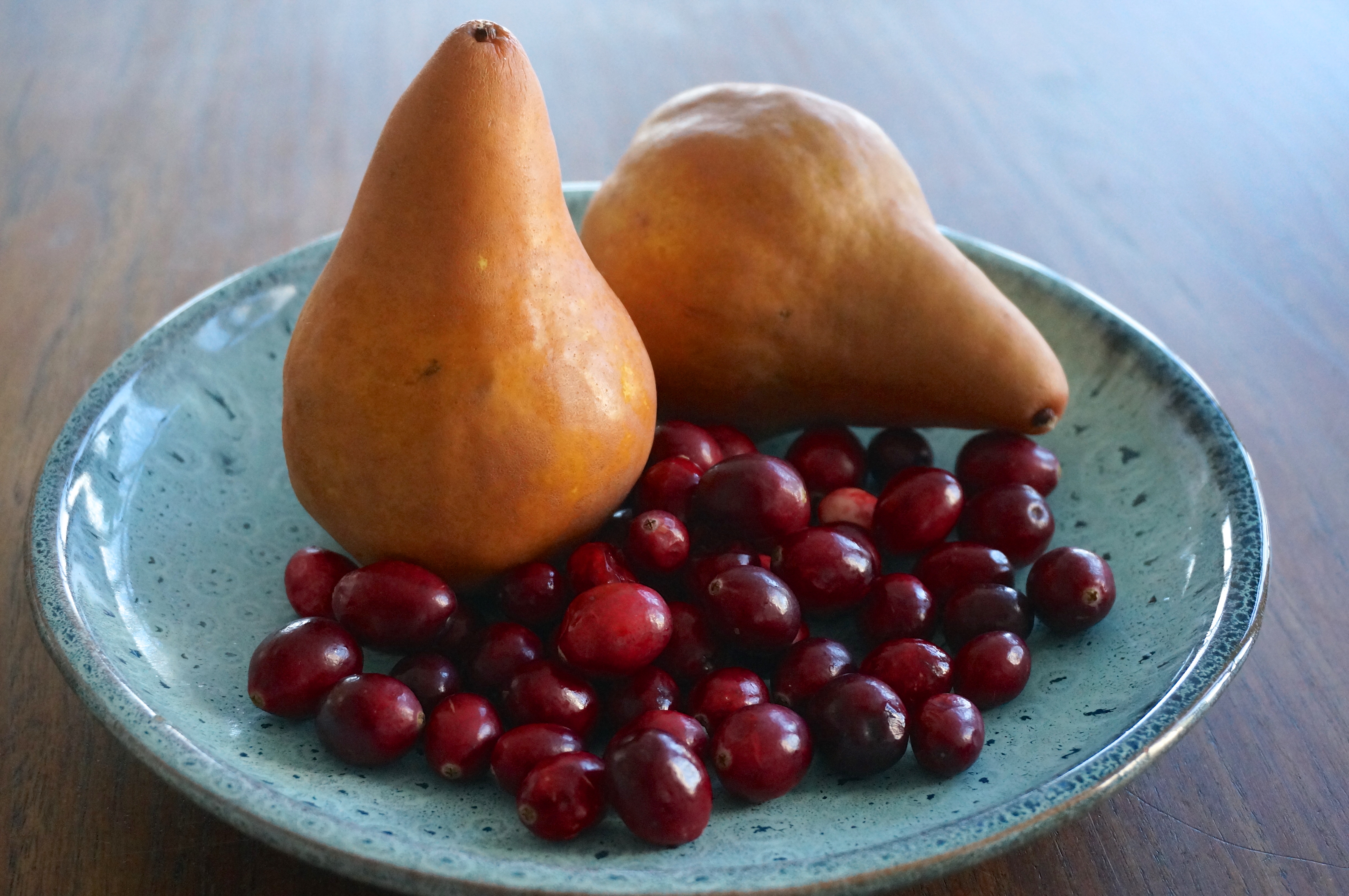
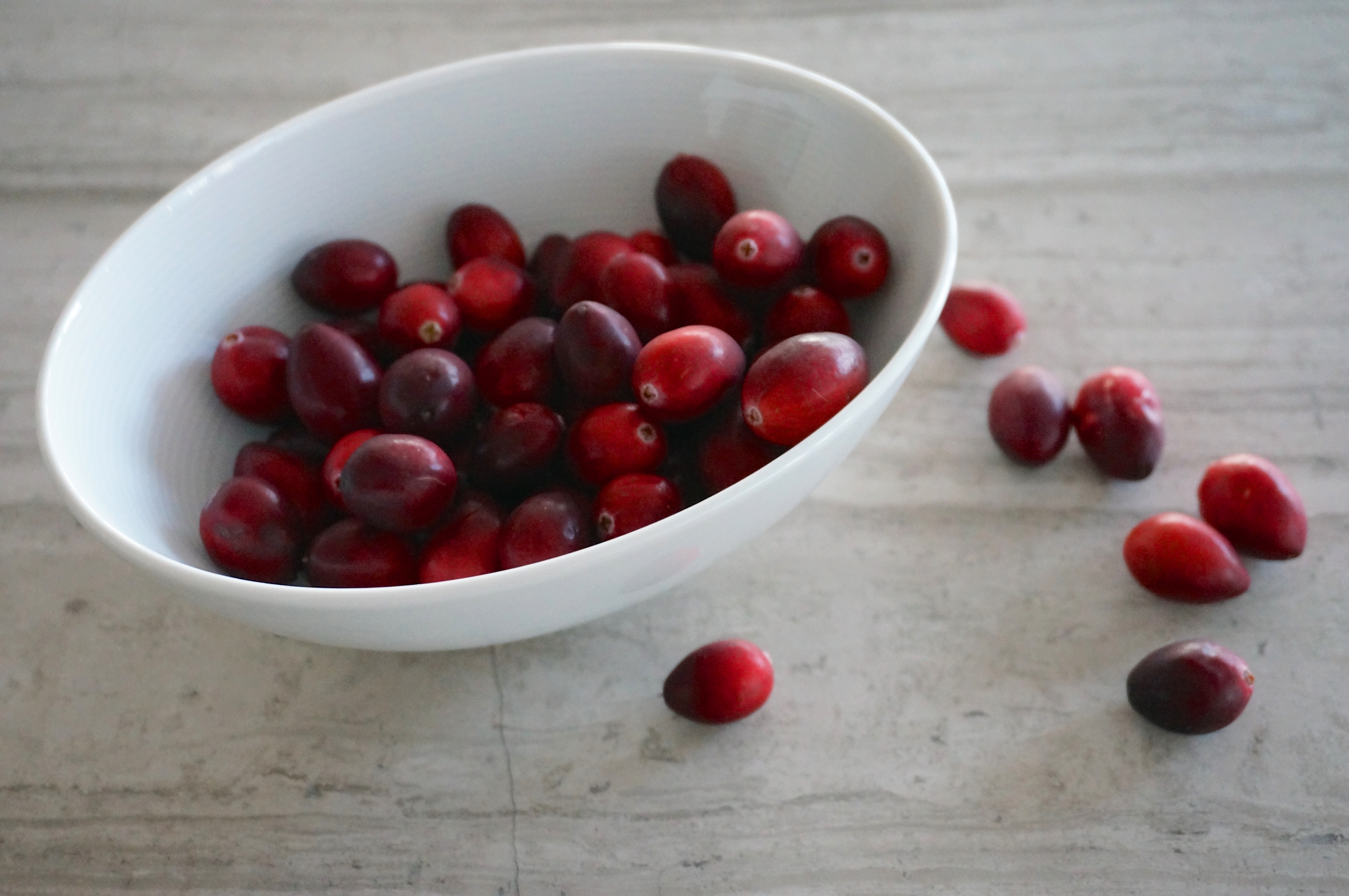
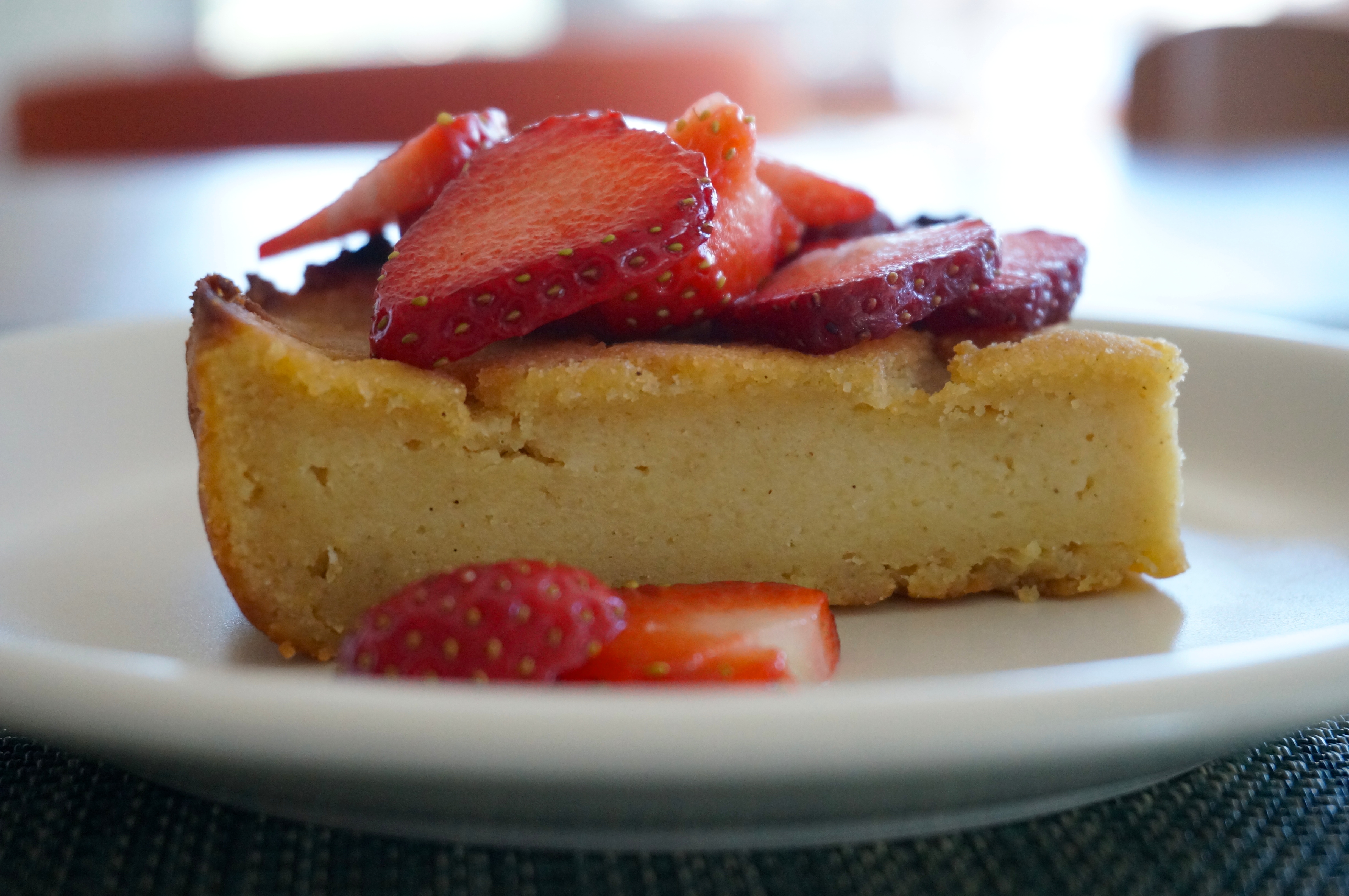
This recipe fulfills those criteria perfectly. It’s a clafoutis, a classic French dessert, but not the fancy kind. It’s basically a baked custard, made in a blender and baked with fruit. The original recipe appeared on Orangette, Molly Wizenberg’s extraordinary food blog. I adapted it slightly, to incorporate some left over cranberries and to add a hint of almond flavor. The result is a dessert that may lack in the looks department, but makes up for it in flavor and texture. And it comes together in minutes. You can eat it for dessert or you can do what we did and have it for breakfast. Because when you reach middle age, you can do whatever the hell you want.

DSC03457Brown Sugar Clafoutis with Pears and Cranberries – Adapted from Orangette

Ingredients:

Butter, for greasing the pan
4 teaspoons white, granulated sugar
1 ripe pear
½ cup cranberries, coarsely chopped
1 ¼ cups (295 ml) whole milk
1 cup (155 g) brown sugar
4 large eggs
1 teaspoon vanilla extract
¼ teaspoon almond extract
pinch of salt
½ cup (70 grams) all-purpose flour

Directions:

Preheat the oven to 375°F. Butter a 9 ½-inch pie plate and dust it lightly with 2 teaspoons of granulated sugar. Shake out any excess.

Peel and core the pear, and slice it thinly in 14-16 slices. Arrange them on the bottom of the prepared pan. Sprinkle chopped cranberries over the pears and top with the remaining 2 teaspoons of sugar.

In the jar of a blender, combine the milk, brown sugar, eggs, extracts, salt, and flour. Blend on high speed for about 30 seconds. Pour the batter over the pears and cranberries.

Bake until the custard is puffed and golden brown and the center is almost completely set, 30 to 35 minutes. Cool on a wire rack.

Serve at room temperature or chilled.

Chorizo and Chocolate Toasts

DSC03401It’s not often that Steve and I are surprised by a totally new flavor or combination of flavors. It’s one of the downsides of being an adventurous omnivore. The more things you try, the fewer things surprise you. So when it does happen, when we try something really new and unexpected and we love it (because sometimes “new and unexpected” can also be terrible), we always try and recreate it at home. Sometimes, it proves impossible. Like the time when we were exploring Brittany in France and we stopped in a small seaside town for lunch. Steve ordered a seafood soup that was so unusual in its flavor profile, while also so satisfying – in a ‘feeding your soul’ kind of way – that we’ve spent the last five years trying to recreate it, never even coming close.

But sometimes, we get lucky. Several years ago we visited for the first time an amazing Spanish tapas restaurant in New York called Tia Pol. We have since returned many times but on that night, we discovered for the first time the deep intensity of smoked paprika and the excitement of fried shishito peppers with sea salt. But it was this dish that surprised us the most: little slices of bread topped with thinly sliced chorizo and topped with melted dark chocolate. It was unexpected, new, and utterly addictive.

There’s really no recipe for this but if you need one here it is.

Chorizo and Chocolate Toasts

Ingredients:

1 baguette
Spanish chorizo (not the Mexican kind)
Dark chocolate, finely chopped

Directions:

Preheat oven to 425º F.

Cut the baguette crosswise into 1/2 inch slices. Arrange slices on a cookie sheet or baking pan. Top each slice with one slice of chorizo. Sprinkle chocolate on top of chorizo.

Place in oven until the chocolate melts (this could take anywhere from 30 seconds to 3-4 minutes; keep an eye on them so they don’t burn). Serve immediately.

Nantucket Cranberry Pie

DSC03347

We were in a taxi, on our way to see the open studios at the Gowanus canal last Sunday. The temperature had suddenly plunged, barely making it to the mid 50s. As the car zoomed along the elevated section of the BQE, I caught a glimpse of the tops of trees (ash trees?) swaying in the wind. Their leaves had already turned canary yellow and they seemed impossibly bright, against the brownstones and dark asphalt in the background. And I thought It’s ok. Fall is here and I’m ok with that.

DSC03336

When I was little (kindergarten? first grade?), I remember teachers having us color pre-drawn and mimeographed sheets with things that represented each season. The summer had the sun and stalks of wheat. The spring had flowers and swallows: we glued cotton balls to their bellies and filled the rest of their bodies with black crayons. The winter had snowmen and Christmas trees. But fall? I don’t remember what represented fall. Maybe yellow leaves, though it’s unlikely. There were few trees that turned colors the way they do in the Northeast U.S. It wasn’t cranberries or pecan pie or Thanksgiving turkey. I didn’t know about these things until I came to the U.S. later as an adult. It was probably rain. Grey clouds and children holding umbrellas, which we colored with as many colors as we could get our hands on.

DSC03344

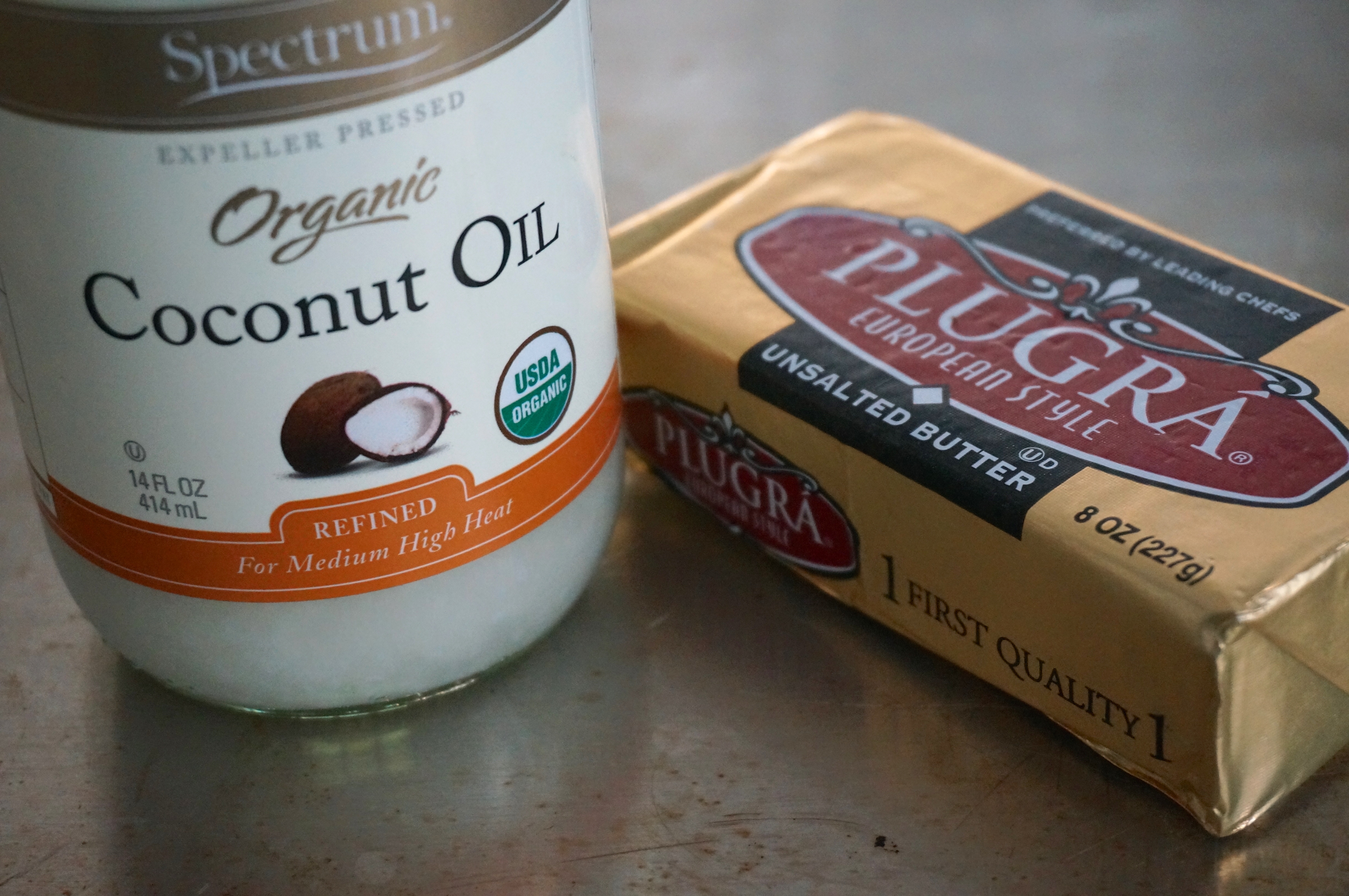
This recipe is pure fall. Cranberries and pecans are cooked together with a decent amount of sugar, turning sweet and tangy and crisp, underneath a topping that is rich but not overly so. The original recipe called for three quarters of a packet of butter. I replaced two thirds of that with refined coconut oil (the kind that has no coconut taste) and the result was perfect. It’s still not quite health food, but it’s a great way to ease into the season.

DSC03356Nantucket Cranberry Pie – Adapted from King Arthur Flour

Ingredients:

1 tablespoon melted butter
2 cups fresh or frozen cranberries, roughly chopped
1/2 cup chopped pecans
1/2 cup granulated sugar
2 large eggs
1/2 cup refined coconut oil, melted and cooled slightly
1/4 cup (4 tablespoons) butter, melted and cooled slightly
1 cup granulated sugar
1 cup all-purpose flour
1/2 teaspon salt
1 teaspoon vanilla extract
1/4 teaspoon almond extract
1 tablespoon turbinado sugar

Directions:

Preheat the oven to 350°F. Lightly grease a 10″ pie plate or 9″ square cake pan. Melt 1 tablespoon butter, and drizzle it into the bottom of the pan. Spread the chopped cranberries and nuts in the bottom of the pan. Sprinkle with the 1/2 cup sugar.

In a mixing bowl, beat together the eggs, melted coconut oil and butter, sugar, flour, salt, vanilla, and almond extract. Spread the batter over the cranberries and nuts in the pan, using a spatula to cover everything. Evenly sprinkle turbinado sugar over the batter.

Bake the pie for 40 to 45 minutes, until a cake tester inserted into the center comes out clean. Remove the pie from the oven and let cool on wire rack. Serve warm, or at room temperature.

Apple Cake

DSC03320

It’s been a hectic couple of weeks. Recovering from my hip surgery has been relatively easy but, as I wrote in my last post, I missed cooking since I was on crutches the whole time. We ordered out for dinner every night and we ended up getting tired of it pretty quickly. Last weekend, we decided that we would venture back into the kitchen together and make something. Steve would do most of the work and I would do as much of the prep work as my crutches would allow.

I was craving something sweet and comforting. Something that felt familiar and nourishing. We went with an apple cake.
DSC03332

My mom always made two kinds of apple cake when I was a kid: a bundt cake with chunks of apple inside and an upside down apple cake. I don’t actually have either of the recipes that my mom used to use, but a few weeks ago, the incomparable Deb Perelman of Smitten Kitchen posted a recipe for an apple cake that her mom always made. We thought we’d give it a try.

In many ways, it’s a pretty traditional apple cake. But there’s one little twist. The apples are added in two sections, one between the two layers of batter and one on top of the batter. This way, when the cake finishes, its top is studded with golden brown apple pieces, making it beautiful, as well as delicious.

DSC03326


Apple Cake – Slightly adapted from Smitten Kitchen

Ingredients:

6 apples (we used Fuji)
1 tablespoon cinnamon
5 tablespoons sugar
2 3/4 cups flour
1 tablespoon baking powder
1 teaspoon salt
1 cup vegetable oil
2 cups sugar
1/4 cup orange juice
2 1/2 teaspoons vanilla
4 eggs

Directions:

Preheat oven to 350º F. Grease and flour a tube pan. Peel, core and chop apples into chunks. Toss with cinnamon and sugar and set aside.

Whisk together flour, baking powder and salt in a large mixing bowl. In a separate bowl, whisk together oil, orange juice, sugar, vanilla, and eggs. Add dry ingredients to the egg mixture and stir with spatula just until combined. Don’t overmix.

Pour half of batter into prepared pan. Spread half of apples over it. Pour the remaining batter over the apples and arrange the remaining apples on top. Bake for about 1 1/2 hours, or until a tester comes out clean. Cool completely before running knife between cake and pan, and unmolding onto a platter.

Vermont Whole Wheat Oatmeal Honey Bread

DSC02141

I really should be starting to post recipes featuring apples and pears and the first winter squashes of the season. I have been furiously bookmarking recipes with seasonal ingredients, anxious to try them out. But in fact, I have done absolutely no cooking for a whole week now. Nada. Zero. That’s because last Friday I had arthroscopic hip surgery to repair a torn labrum and a hip impingement. So, I’ve been hobbling around on crutches, unable to carry anything, let alone stand long enough to cook. Not to mention that for the first few days I was on some serious painkillers that kept me too loopy to be near sharp knives and hot stoves.
DSC02124

The good news is that I’m recovering well and, fingers crossed, when I see the doctor on Monday, he will say I can stop using crutches. At which point, I will be thanking Steve for taking such good care of me by making cherry scones and passion fruit ice cream.

In all seriousness, though, I hate not being able to cook. It’s not just the relaxation it provides or the fact that I know what we are eating (as opposed to take-out food). It’s that it gives me a sense of power that I don’t feel anywhere else. When I am in the kitchen, I am in control. I take decisions and act on them. I make things, physical things, with my own two hands. I’ve been really missing that this week.DSC02127

So, instead of a recipe for french apple cake or roasted squash with dates and thyme (both of which should be appearing here soon), I give you a recipe for a loaf of bread on the healthier side of things. Let me start by saying that I am not a huge fan of whole wheat breads. I definitely do not like the ones you find in the supermarket that proudly call themselves whole wheat, with big letters, but a closer look at the ingredients reveals high fructose corn syrup, “natural” flavors, and a bunch of other, not so “whole” things. But I also don’t really like homemade whole wheat breads either. I find them too dense, too bitter, and a chore to eat.

This recipe, however, is one I quite enjoyed. It uses oats, sugar, honey, and cinnamon to make the bread lighter and a little sweeter. If you can find King Arthur’s White Whole Wheat Flour (a whole wheat flour that is lighter than the traditional kind), the bread comes out soft and bouncy, more like a white loaf, but with the benefits of a whole wheat bread. If you can only find regular whole wheat flour, go ahead and use that. It will be just as good.

DSC02150

Vermont Whole Wheat Oatmeal Honey Bread – Slightly adapted from King Arthur Flour 

Ingredients:

2 cups boiling water
1 cup rolled oats, traditional or quick (not instant)
1/2 cup maple sugar or brown sugar
1 tablespoon honey
1/4 cup (4 tablespoons) butter
1 tablespoon kosher salt or 2 1/2 teaspoons table salt
1 teaspoon ground cinnamon
1 tablespoon instant yeast
1 1/2 cups King Arthur White Whole Wheat Flour (or regular whole wheat flour)
4 cups all-purpose flour

Directions:

In a large mixing bowl, combine the water, oats, maple or brown sugar, honey, butter, salt, and cinnamon. Let cool to lukewarm, about 10 to 15 minutes.

Add the yeast and flours, stirring to form a rough dough. Knead (about 10 minutes by hand, 5 to 7 minutes by machine) until the dough is smooth and satiny.

Transfer the dough to a lightly greased bowl, cover the bowl with lightly greased plastic wrap, and allow the dough to rise for 1 hour. Since the dough is warm to begin with (from the boiling water), it should become quite puffy.

Divide the dough in half, and shape each half into a loaf. Place the loaves in two greased 8 1/2″ x 4 1/2″ bread pans.

Cover the pans with lightly greased plastic wrap and allow the loaves to rise until they’ve crowned about 1″ over the rim of the pan, about 60 to 90 minutes. Preheat the oven to 350°F.

Bake the loaves in the preheated 350°F oven for 35 to 40 minutes, tenting them lightly with aluminum foil after 25 minutes, to prevent over-browning. Remove them from the oven when they’re golden brown, and the interior registers 190°F on a digital thermometer.

Turn the loaves out onto a rack to cool. Store at room temperature, well-wrapped, for several days; freeze for longer storage.

Burmese Semolina Cake

DSC02766

During my daily commute I often daydream about all kinds of stuff. One of my favorite daydreaming activities is trying to figure out what I would name my restaurant, if I were to open one. I have absolutely no intention to ever actually open a restaurant. It would take away all the joy of cooking and sharing food with others. But it’s fun to try and think of a name for this fantasy restaurant.

DSC02750

I don’t know how important a restaurant name is to its success. I’m sure that a really bad name (“Crappy’s” or “Slime and Sweat” or “Danger”) could sink a place. But is there really any difference if a place is called after the owner’s name or a combination of two food ingredients or some made up word that sounds appetizing? Probably not.

So for my restaurant, I’ve gone through many ideas. There are many Greek words related to food but a lot of them just don’t sound right in English or they are hard for Americans to pronounce right. The word for salt in the Cypriot dialect is “alas,” which in English is, according to the dictionary, “an expression of grief, pity, or concern.” The word for vinegar is “xydi” but it’s pronounced kseethee (with the th as in “they”).

DSC02754

It turns out, it’s really tough to find a good name for a restaurant. I’ve been going over this for a while now and I think I finally have a name. I would name my restaurant “Tatounna”. It has nothing to do with food, but it’s what I called my sister when we were little (I think it’s what she called herself first, because she couldn’t pronounce her actual name). My sister and I both love food, though she’s not as interested in cooking it as I am. But most of all, it’s a happy sounding name and it’s my sister, whom I love so very much.

I probably wouldn’t serve this Burmese semolina cake at Tatounna restaurant. But I’ve found myself with a bunch of draft blog posts for recipes that involve apricots and plums and cherries. And the season for them is over. So, instead of giving you a recipe that you can’t make for another 10 months, Burmese semolina cake it is. It’s actually a peculiar cake. It’s dense and intensely fragrant with toasted semolina, but only slightly sweet, with the texture of a very thick and gritty pudding. It makes for a great afternoon snack or it can be topped with ice cream or fruit salad for a more complete dessert.
DSC02760


Burmese Semolina Cake – Slightly adapted from Bon Appétit

Ingredients:

2 tablespoons unsalted butter, melted, cooled slightly, divided, plus more
1¼ cups semolina flour
1 large egg
1 14-oz. can coconut milk
1½ cups half-and-half
⅓ cup sugar
1 teaspoon kosher salt

Directions:

Preheat oven to 425°. Butter an 8×8” baking dish. Toast semolina in a large dry skillet over medium-high heat, stirring, until darkened and nutty-smelling, about 2 minutes. Let cool.

Whisk egg, coconut milk, half-and-half, sugar, salt, and 1 Tbsp. butter in a large saucepan. Gradually whisk in semolina and bring mixture to a boil over medium-high heat, whisking, until mixture is very thick and pulls away from the sides of saucepan, about 4 minutes. Scrape batter into baking dish.

Bake cake until golden brown and a tester inserted into the center comes out clean, 45–50 minutes. Transfer dish to a wire rack. Brush cake with remaining 1 Tbsp. butter; let cool slightly.