White Bread Loaves

IMG_2513

Nothing beats bread. Nothing. It requires a minimum of only two ingredients to make it, flour and water (yeast isn’t always necessary). It’s infinitely customizable. Add butter, milk, raisins, cinnamon, olives, nuts, seeds, pepperoni, cheese, and the list goes on and on. It’s adaptable. Eat it plain, toasted with butter, in a sandwich, in stuffing, in bread pudding, in bread crumbs, you name it.
IMG_2496

Growing up we had access to two kinds of bread. The first was a round loaf of country style bread, with a golden brown crust and a moist interior filled with holes (like the bread you get at some Italian restaurants). On occasion, my dad would get lucky and buy one at the local bakery just as it came out of the oven. When he brought it home it was still warm so my sister and I would cut a thick slice each, slather it with butter, and top it with honey. It was heaven.

IMG_2503

The other bread was a pre-sliced loaf of white bread. We called it slice. In fact, that’s what everyone still calls it back home. Thinking back, it was definitely inferior to the traditional round country bread, but as kids we loved slice. It was spongy and had no crust. And it made the best sandwiches with butter, halloumi cheese, and sliced cucumbers.
IMG_2498

I don’t even walk by the bread aisle at the grocery store anymore. It makes me too angry. I just don’t understand how something as simple and perfect as bread can be so corrupted by big corporate interests. It’s frustrating and sad. So, I just make my own. I have two go-to recipes for bread. The first is the no-knead bread recipe that created an actual revolution in bread-making in the U.S. And the second is this recipe for white bread loaves. This bread requires no bread stone, no high powered oven, no special equipment, and no special skills. Technically, you could make it by hand, though a heavy-duty mixer makes it much easier.

Don’t be scared by the length of this recipe. It’s super simple, pretty much foolproof, and results in delicious, homemade white bread. Slice it up after it’s cooled down and have it any way you want. Though I’m here to tell you that you’ll want to toast it and slather it with salted butter and honey. Trust me on that one.

IMG_2510
White Bread Loaves – Adapted from “Baking with Julia: Savor the Joys of Baking with America’s Best Bakers”

Makes 2 loaves

2 1/2 cups of warm water (105º F to 115º F)
1 tablespoon active dry yeast or 3/4 tablespoon instant yeast
1 tablespoon sugar
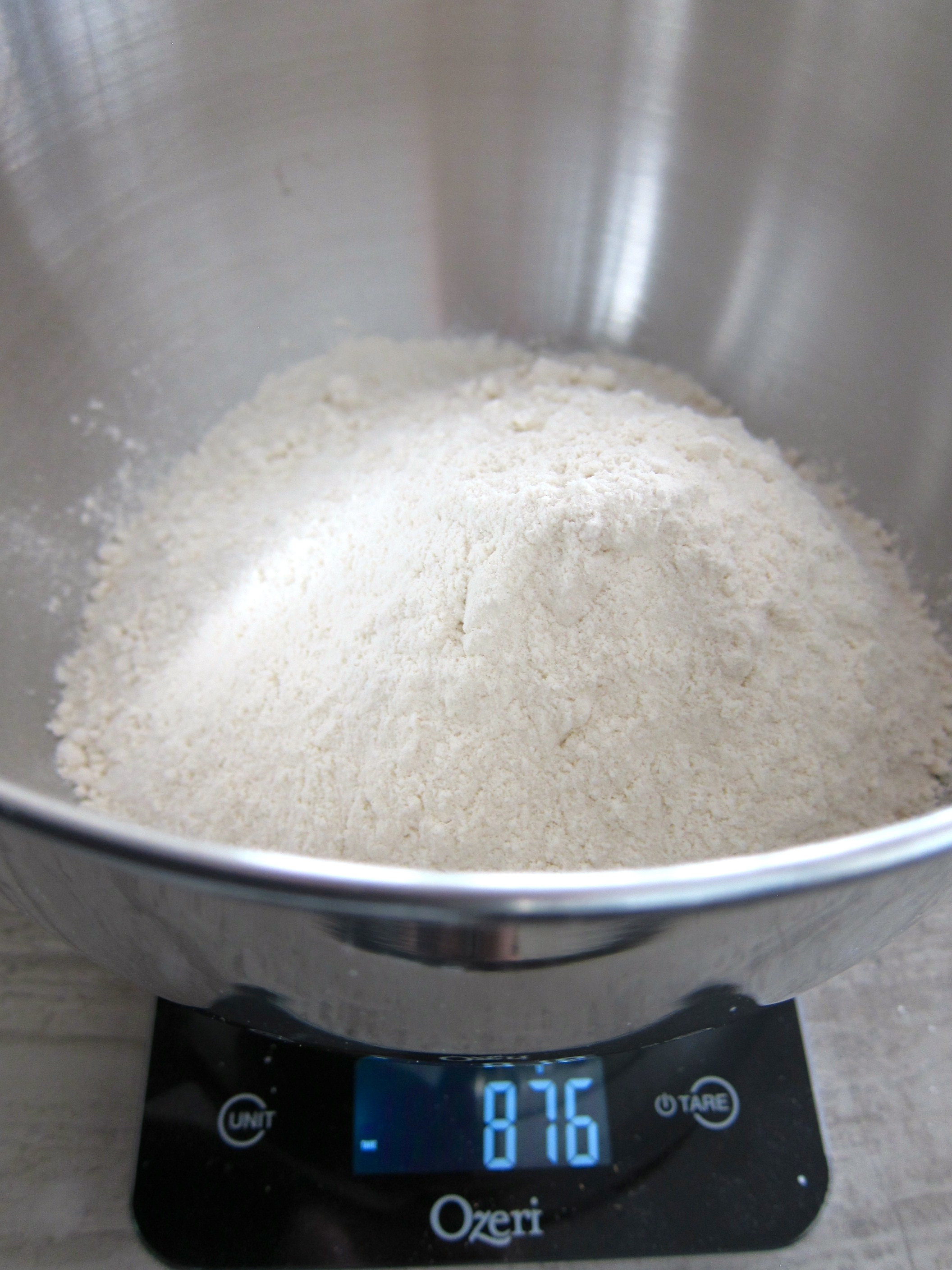
7 cups (875 gr) bread flour or unbleached all-purpose flour or combination of both
1 tablespoon salt
1/2 stick (4 tablespoons or 2oz) unsalted butter, at room temperature

1. If you are using active dry yeast: Pour 1/2 cup of the warm water in the bowl of a heavy-duty mixer. Sprinkle the yeast and the sugar and whisk to blend them. Let the mixture rest for about 5 minutes until the yeast bubbles. Add the flour and the salt. Slowly pour the remaining 2 cups of warm water in the bowl. Proceed with step 3 below.

2. If you are using instant yeast: In the bowl of a heavy-duty mixer, add the flour, the yeast, the sugar, and the salt. Slowly pour the 2 1/2 cups of warm water in the bowl.

3. Using the paddle attachment of the mixer, mix the dough at low speed for about a minute until it comes together.

4. Replace the paddle with the dough hook and mix at medium-low speed (2 or 3 on a KitchenAid mixer) for about 5 minutes, until the dough is smooth and elastic.

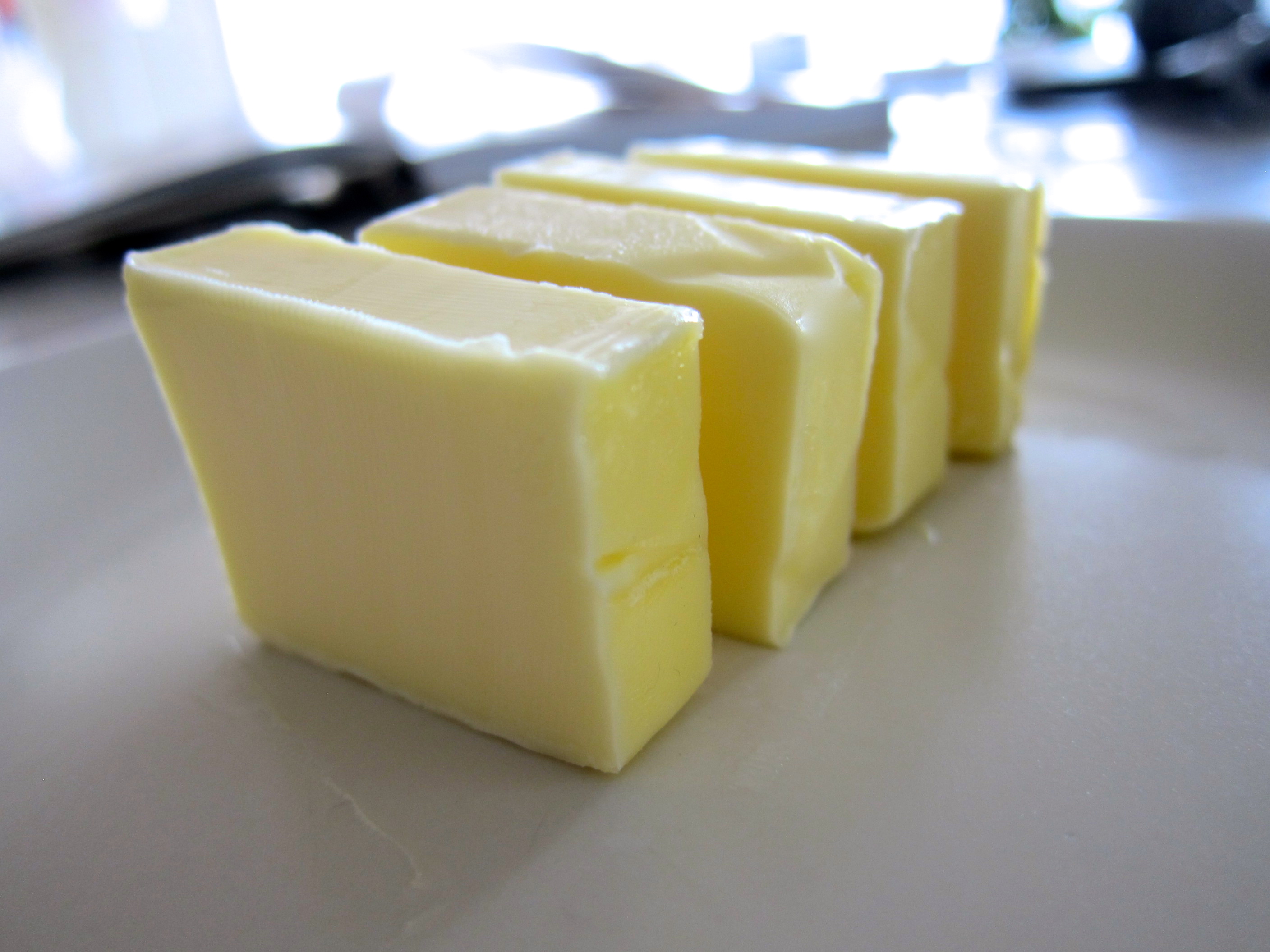
5. Keep the mixer running and add the butter one tablespoon at a time. Mix until each tablespoon is incorporated before adding the next. Your dough will seem to come apart but don’t worry, keep mixing and it will come together.

6. After the last tablespoon of butter is fully incorporated, stop the mixer and remove the dough. Shape it into a ball and place it in a large, lightly oiled bowl. Turn the dough around so that its entire surface gets covered with the oil. Cover the bowl tightly with plastic wrap and let the dough rise at room temperature until it doubles in volume, about 45-60 minutes.

7. When the dough has risen, butter two 8 1/2 – 4 1/2 inch loaf pans and set them aside. Preheat the oven at 375ºF, with a rack at the center of the oven.

8.Take the dough out of the bowl and place it on a lightly floured surface. Divide the dough into two equal pieces. Working with one piece at a time, pat the dough using your fingertips into a rectangle about 8 inches by 10 inches. The short side should be facing you.

IMG_2504

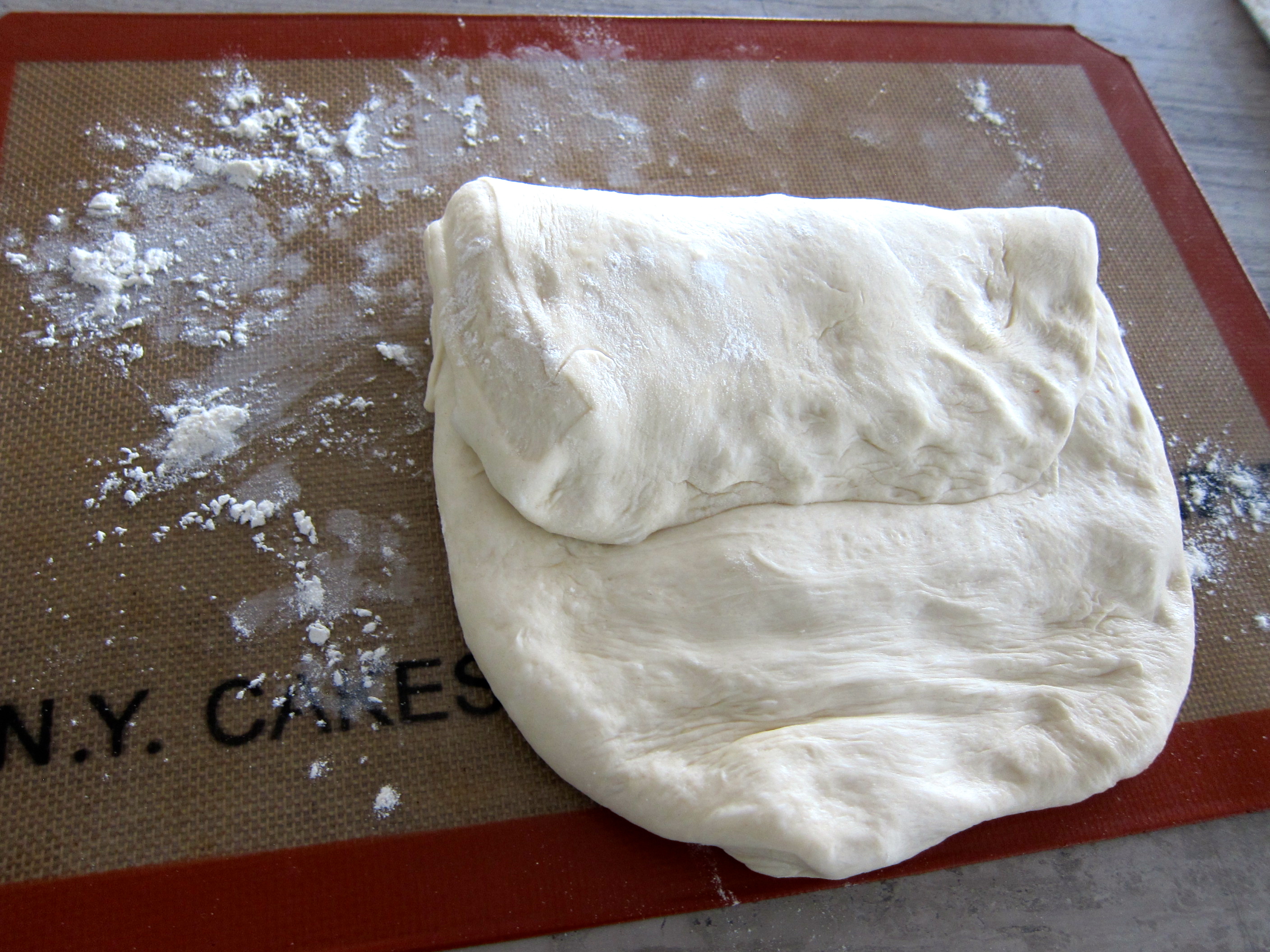
9. Starting at the top, fold the dough about two thirds of the way down the rectangle and pinch the seam together.
IMG_2505

Fold the top one more time so that it meets the bottom edge and pinch the seam together.

IMG_2506

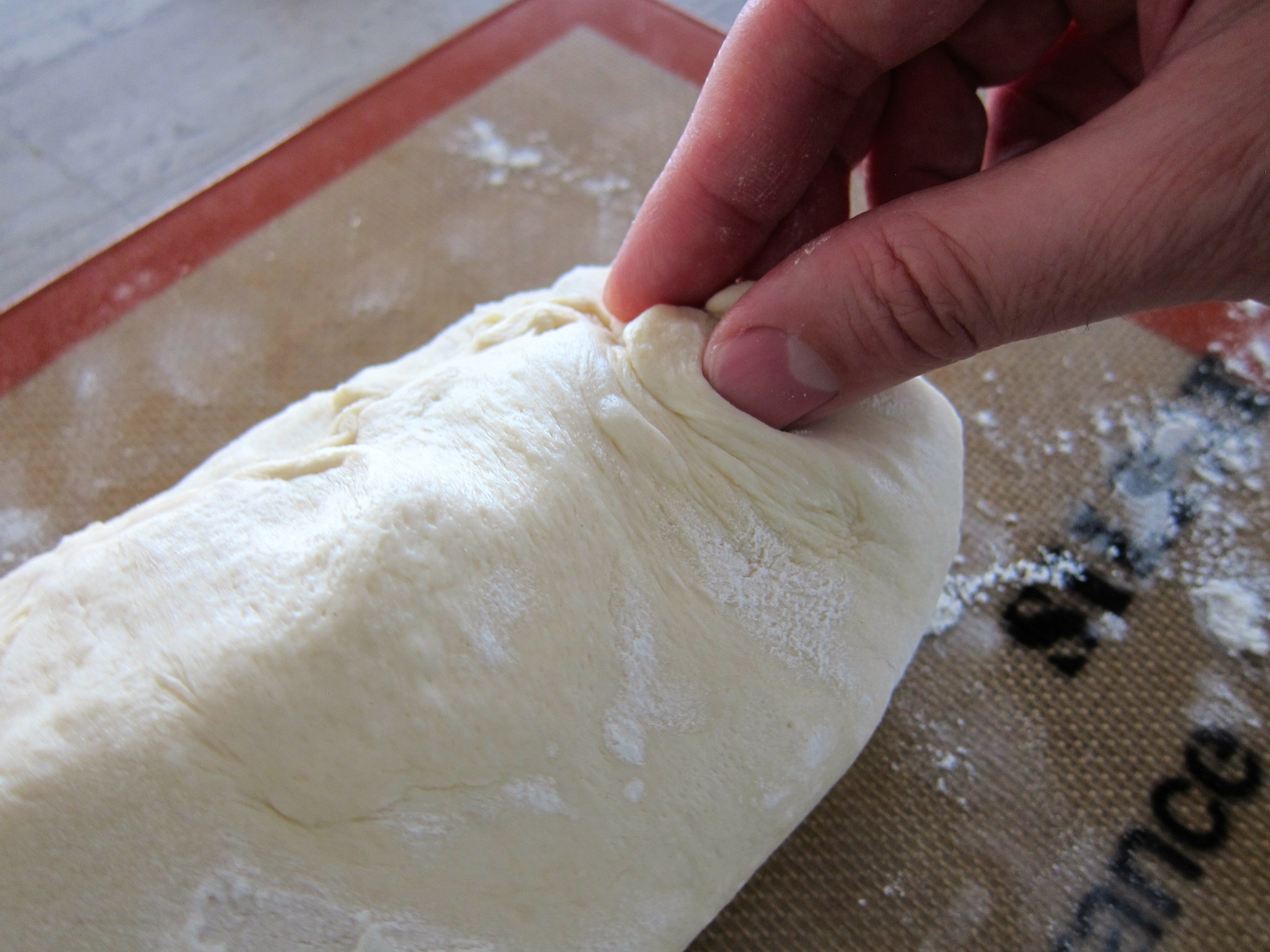
Roll the dough so that the seam is in the center, facing you, and pinch the two ends of the loaf so that it seals.
IMG_2507

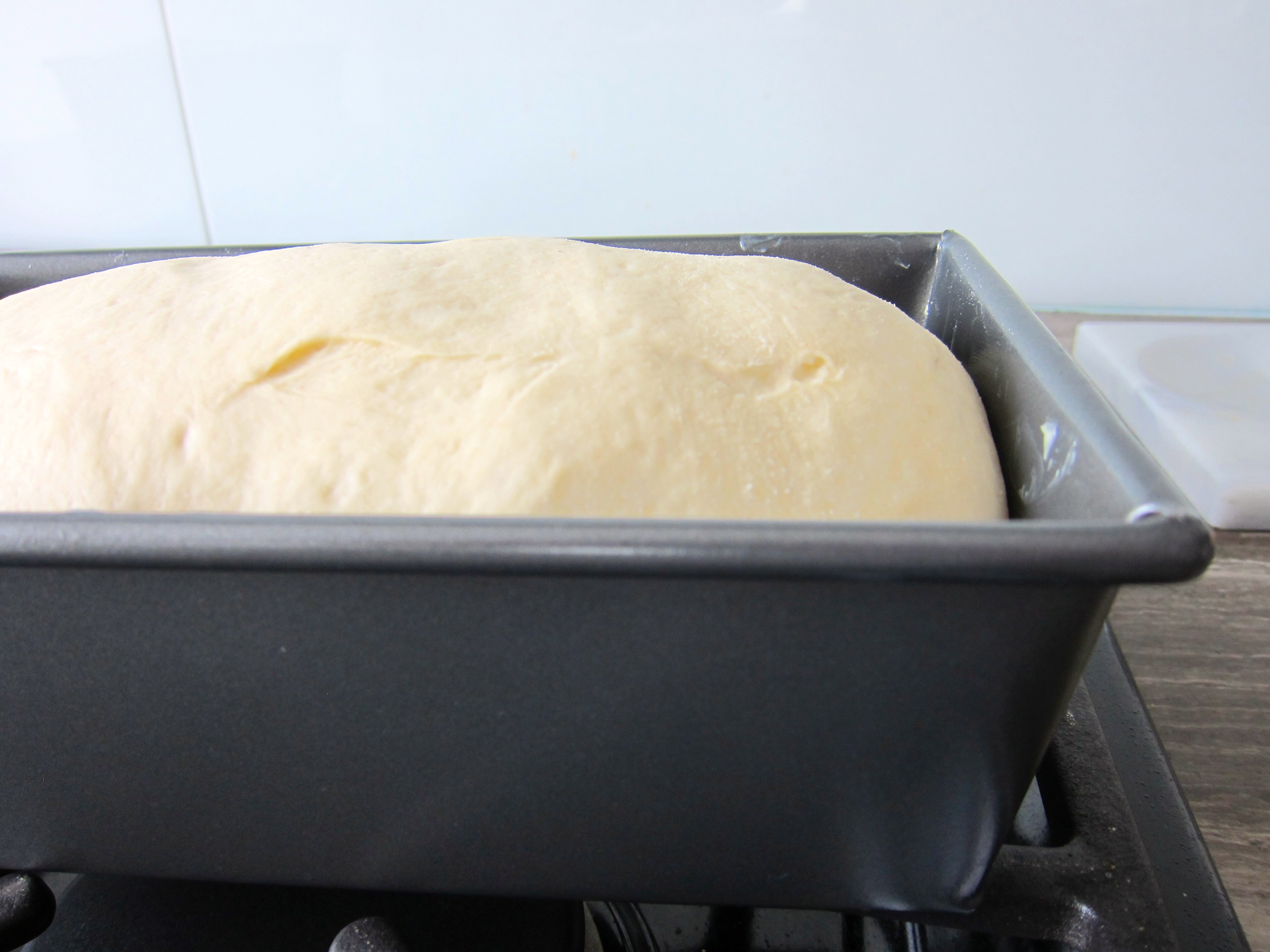
10. Place the loaves in the buttered load pans, seam side down, cover them with plastic wrap and let them rise at room temperature until the are growing just over the tops of the pans, about 45 minutes.
IMG_2508

11. Remove the plastic wrap and bake the loaves in the preheated oven for 30 minutes. After 30 minutes of baking,  remove the loaves from the pans and continue to bake them directly on the oven rack for an additional 10-15 minutes.

12. Remove the loaves from the oven and let them cool completely on wire racks before cutting them.

13. The loaves can be wrapped in plastic or aluminum foil and frozen. Take out of the freezer the night before you plan to eat them and defrost at room temperature.

Orange Blossom Ice Cream with Pistachios

Memory is a funny thing. The older I get, the more unpredictable it becomes. On the one hand, I have a hard time remembering what I ate yesterday for lunch or what was the plot of the book I just finished reading two nights ago. On the other hand, random memories will be pop up, seemingly for the first time, out of nowhere. The float to consciousness like bubbles from the dark, deep corners of my mind.

IMG_2466

Often, these memories are triggered by a smell or a taste. I am well aware that our sense of smell is tightly linked to our memory function, but still, every time it happens, I marvel at the ability of a group of molecules that reach my nose or tongue to evoke such strong emotional recollections.

The first time I made this orange blossom ice cream, I had exactly this kind of experience. I had just finished cooking the custard base and I added the three tablespoons of orange blossom water that the recipe called for. Since the custard was steaming hot, the smell wafted up to my nose. The memory it triggered was of all the times that my mom made us a simple custard, flavored with orange blossom water (called anthonero), to have as dessert.

IMG_2441

I hadn’t thought of that custard in decades. And yet, as soon as I remembered it, as soon as I smelled it in the bowl and tasted it on the spoon, I had a clear recollection of how it tasted of spring, how its creamy consistency coated our mouths, and how my sister and I always ignored my mom’s warnings to wait until it cooled down to eat it.

IMG_2438

I knew that this recipe would be amazing, even before I chilled the custard in the fridge and froze it in the ice cream maker. I’ve made it many times since then and at some point I decided to add chopped pistachios for a taste and texture contrast, which turned out to be a fantastic idea.

IMG_2452

This is a very easy ice cream to make. It uses cornstarch to thicken cream and milk into a quick custard. The trick is to make sure there are no cornstarch lumps and to cook it just enough time that it thickens and you can’t taste the “floury” cornstarch anymore. And if you are like me, the toughest part is to try not to eat it hot out of the pan, instead of chilling it and turning it into ice cream.

IMG_2454

Orange Blossom Ice Cream with Pistachios

1 1/2 cups whole milk
3/4 cup sugar
1 1/2 cups heavy cream
3 tablespoons cornstarch
3 tablespoons orange blossom water
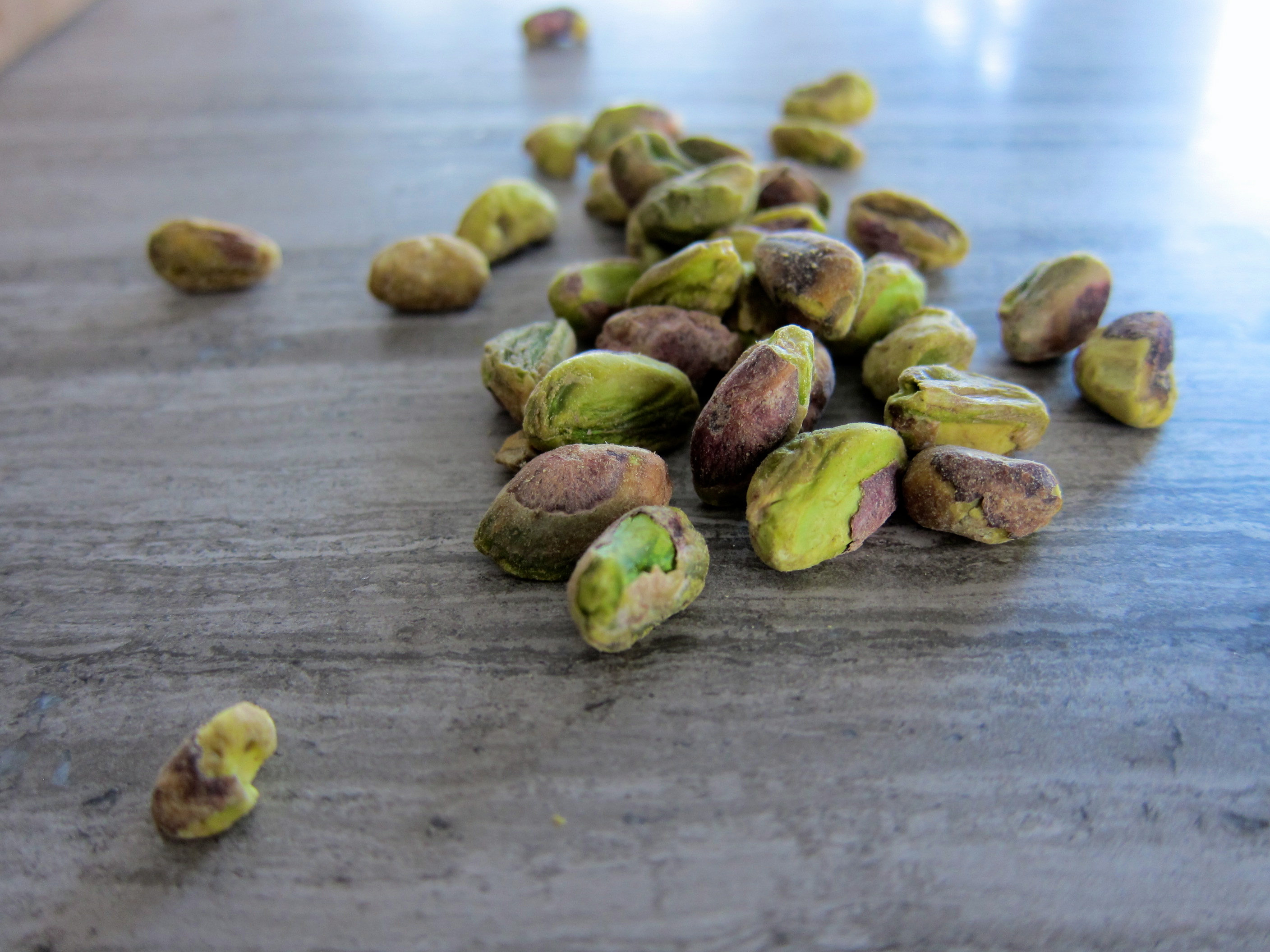
1/3 cup shelled pistachios, chopped

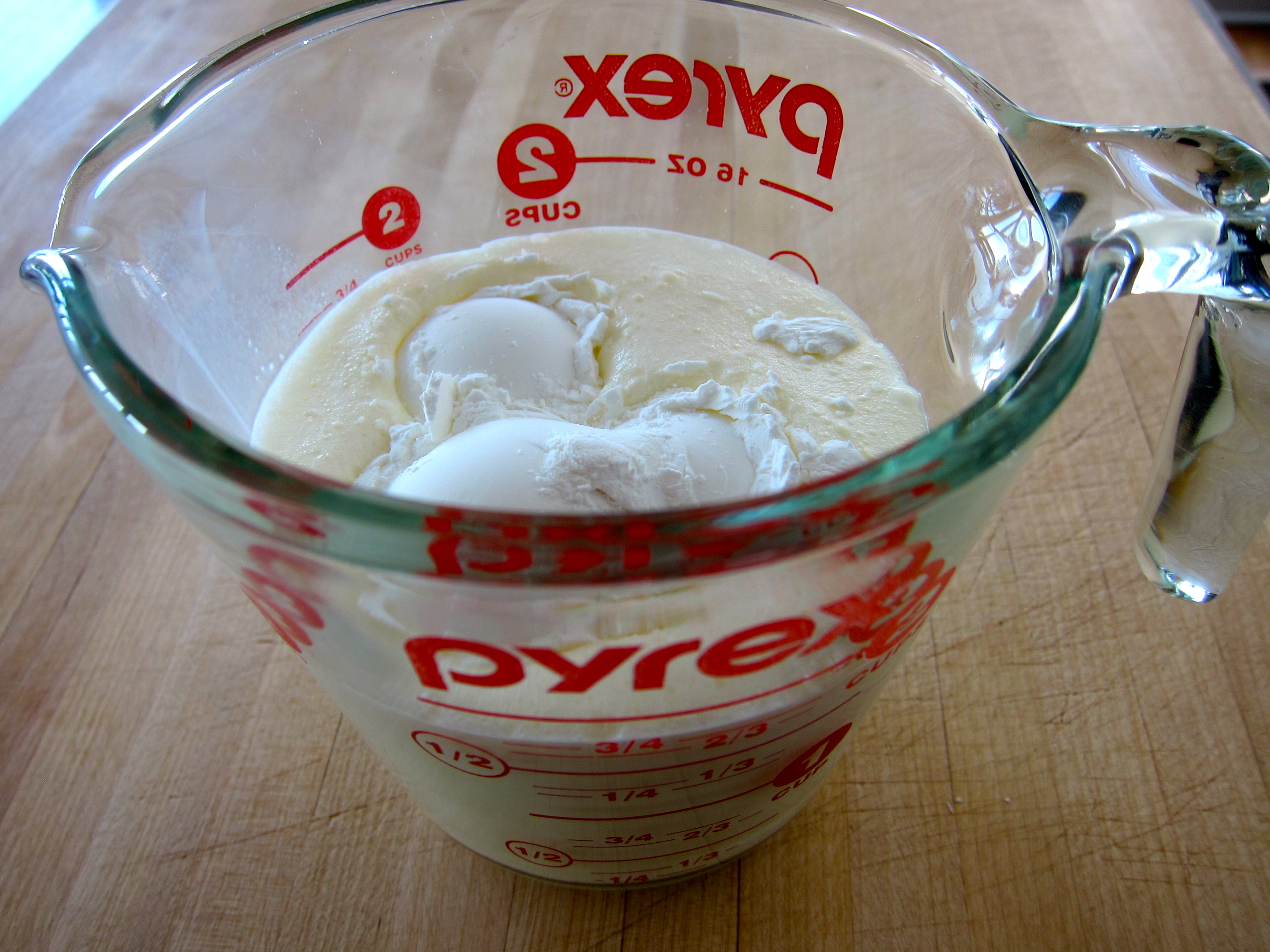
In a small bowl or a 2-cup measuring cup, stir together the cornstarch and heavy cream using a fork, making sure there are no lumps. Place the milk and sugar in a saucepan and bring to a simmer, stirring so that the sugar dissolves. Remove from the heat and stir in the heavy cream mixture. Return the pan to the stove and cook over moderate heat, stirring constantly, until it thickens. It should coat the back of the spatula or spoon. Taste the mixture: make sure it does not have any floury taste, if it does, continue to simmer it until the cornstarch is cooked.

Remove from the heat and add the orange blossom water. Chill the mixture thoroughly in the refrigerator, then churn in your ice cream maker according to your manufacturer’s directions.

Add the chopped pistachios towards the end of the churning or layer them into the ice cream as you spoon it into its container from the ice cream maker.

Eleven Madison’s Strawberry Gazpacho

Two or three times a year, Steve and I will celebrate a special occasion (an anniversary, a birthday) by going to a really nice restaurant for dinner. Few things make us happier than one of those perfect meals, the ones that transcend the act of eating and nourishment, that emotionally transport us. We have been known to get teary-eyed during such a meal, though admittedly after a couple of glasses of wine.IMG_2469

So, when we do splurge on an expensive dinner at a fine restaurant, we usually request the tasting menu with the wine accompaniment. We expect that the chef will take us on a journey , with each small dish and paired glass of wine providing us with a gustatory milestone along the way. Some such journeys have been extraordinary (our first times at Momofuku Ko and Aska come to mind). Others have been great, though with a few bumps in the road (Aquavit, post-Marcus Samuelsson).

IMG_2458

And then there was Eleven Madison Park. I don’t remember what we were celebrating but we couldn’t have been more excited to get a reservation there. Widely considered one of the best restaurants in New York and the world, we counted the days to our dinner with breathless anticipation. We arrived there with big grins on our faces, hardly able to contain our excitement as the friendly Danny Meyer-trained staff sat us down and handed us the menu.IMG_2459

Keep in mind that this was a few years ago, two complete menu reinventions ago. Right there, tempting us, was the ultimate tasting menu: a 14-course behemoth that held more promises than a Christmas tree loaded with wrapped presents. We gleefully told our server we would choose that along with the wine pairings.IMG_2460

Things started out very promisingly. The long, rectangular plate with the tiny amuse bouches included pickled beet marshmallows. We still talk about them. And then we began the long journey into the evening. Trouble hit around course six or seven. I was full. Full! And I was only half way through this meal. From that point on, every plate or bowl that was placed in front of me became an increasingly more painful instrument of torture. I wanted so badly to want to eat the food, but my full stomach said otherwise. I took small bites, to at least taste it. But nothing seemed pleasurable to my satiated appetite. And the plates kept coming. And coming. I wished I could go to the bathroom and throw up, like a Roman at a vomitorium (which is a myth, by the way). But I couldn’t go that far.

IMG_2461

It took us a long time before we ordered a tasting menu again. The experience scarred us. Eventually, we did forget about it and went back to leaving ourselves in the hands of the chef for a carefully chosen tasting journey. But we make sure it’s never more than six or seven courses. And we arrive at the restaurant hungry. Really hungry.

IMG_2463

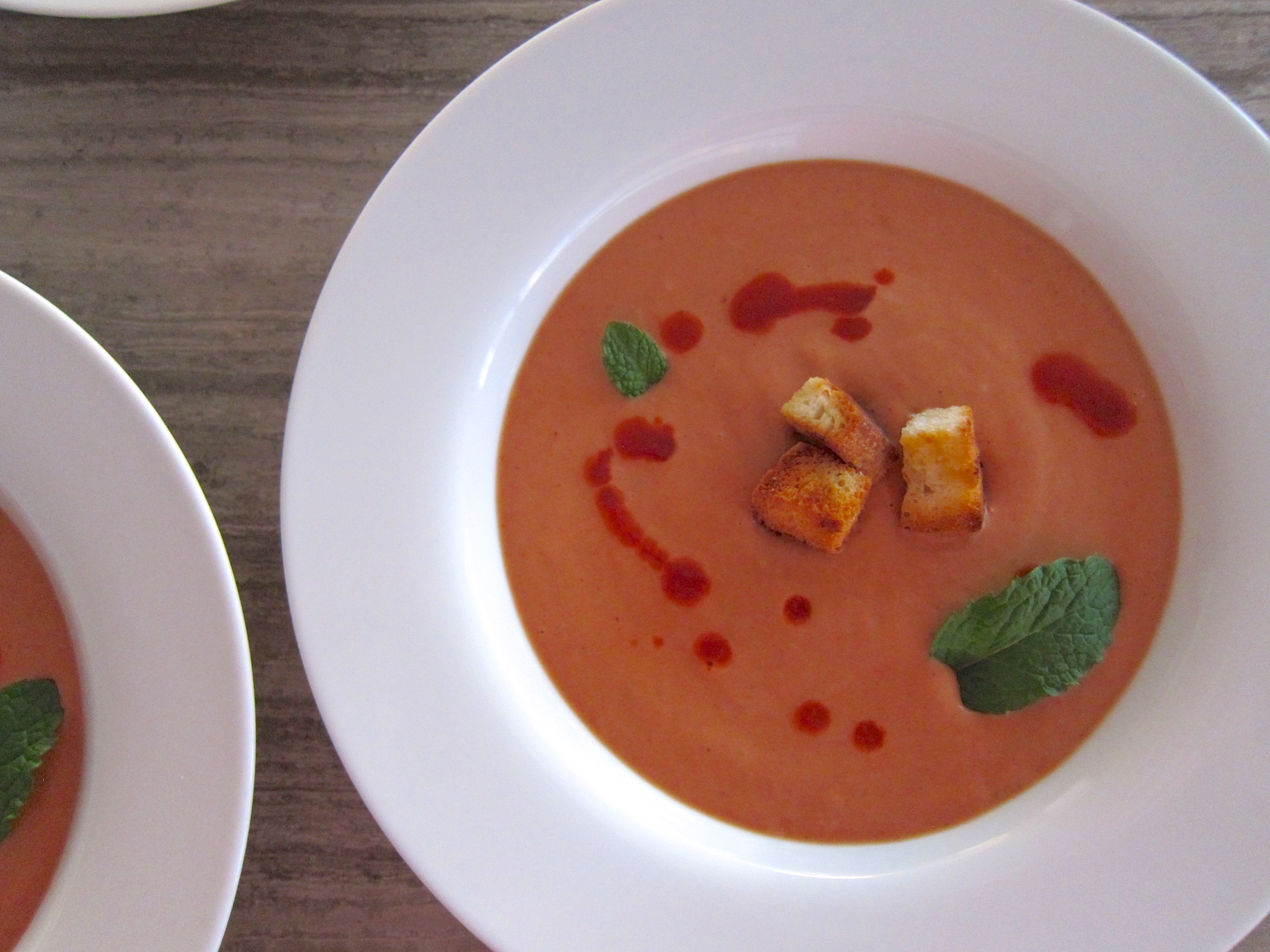
This strawberry gazpacho was not part of our torturous tasting menu. I first saw it on Food52’s Genius Recipes, a collection of recipes that are really smart and unexpected. It’s a pretty classic gazpacho recipe, except for the fact that it uses strawberries instead of tomatoes. It is crisp and full of sunshine, the perfect appetizer for a late spring or summer meal. Just don’t have an additional 13 courses after it.

Eleven Madison’s Strawberry Gazpacho – Adapted from Food52’s Genius Recipes

Serves 4 to 6

Soup:
1 tablespoon plus 1/2 cup extra-virgin olive oil
2 cloves garlic, peeled and crushed but kept whole
1 1/2 cup rustic-style bread, cut into 1-inch cubes
2 sprigs thyme
6 cups strawberries, hulled and quartered
2 1/4 cups English cucumbers, peeled, seeded, and diced
1 1/4 cup diced red bell pepper
3/4 cups diced green bell pepper
6 tablespoons tomato juice or tomato sauce
3 tablespoons red wine vinegar
1 1/2 teaspoon salt

Croutons:
2 tablespoons extra-virgin olive oil
2 cloves garlic, peeled and crushed but kept whole
2 cups rustic-style bread, cut into 1/2-inch to 1-inch cubes
3 sprigs thyme
1/2 teaspoon salt

Make the soup:
Heat a small saute pan over medium-high heat. Coat the bottom with 1 tablespoon of the olive oil and add 1 clove of garlic. When the garlic begins to sizzle, add the bread cubes and thyme. Toss occasionally until the bread turns golden brown, being careful not to burn it.  Transfer the bread to a large bowl. Discard the garlic and thyme.

Add the strawberries, cucumber, peppers, remaining garlic clove, remaining 1/2 cup of olive oil, tomato juice or sauce, vinegar, and salt to the bowl with the bread cubes. Toss to combine and cover tightly with plastic wrap. Marinate at room temperature for 3 to 6 hours, stirring the mixture once or twice. Puree the ingredients and their juices in small batches in a blender on high speed until very smooth. If you want you can strain the soup through a fine mesh strainer, or you can keep it as is. Chill the soup in the refrigerator until very cold. Taste and season, if necessary, with salt and red wine vinegar.

Make the croutons:
Heat a small saute pan on medium-high heat. Coat the bottom with the olive oil and add the garlic. When the garlic begins to sizzle, add the  bread and thyme. Toss occasionally until the bread turns golden brown, being careful not to burn it. Quickly transfer to a baking sheet lined with paper towels. Discard the garlic and thyme and season with the salt. Once cool and dry, store in an airtight container line with paper towels for up to 1 day.

Serve the soup with a few croutons on top, several drops of hot sauce (such as Tabasco or Louisiana Hot Sauce), and fresh mint leaves.

Julia’s Best Banana Bread

I like my bananas firm and just turned yellow, with a hint of green still visible. Once they fully ripen, get brown spots, and turn super sweet, I don’t want to eat them anymore. What I usually do is blend them with other fruit and some orange juice for a breakfast smoothie.
IMG_2414
I know that most people like to make banana bread with overripe bananas, but I’ve never cared for the banana breads I’ve tasted. They are often cake baritones: heavy, overly sweet, and dense. I always feel like they need some tenor, or even soprano, flavor notes in there. But I never attempted to make one of my own because all the recipes I saw seemed to pretty much be variations on a pound cake with added mashed bananas.

IMG_2404

This changed when Bon Appetit ran an article called “A Slice of Paradise: Andrew McCarthy’s Banana Bread Quest.”In it, the actor Andrew McCarthy (yeah, that Andrew McCarthy, from Pretty in Pink) talks about his search for the best banana bread on the island of Maui in Hawaii. He finds it at a remote, little roadside stand called Julia’s. Fortunately, he leaves with the recipe.

IMG_2405

As soon as I saw the recipe I knew I had to try it. It’s easy, two-bowls-and-a-whisk kind of easy. And it uses no butter, just eggs and oil. Even more important, it calls for just two bananas, not three like most other recipes I have seen. But I decided to make one small but important change. I had bought a bag of coconut palm sugar, a kind of sugar extracted from the nectar of the coconut tree. It’s very trendy right now because it’s supposed to be better for you than regular cane sugar.

IMG_2408

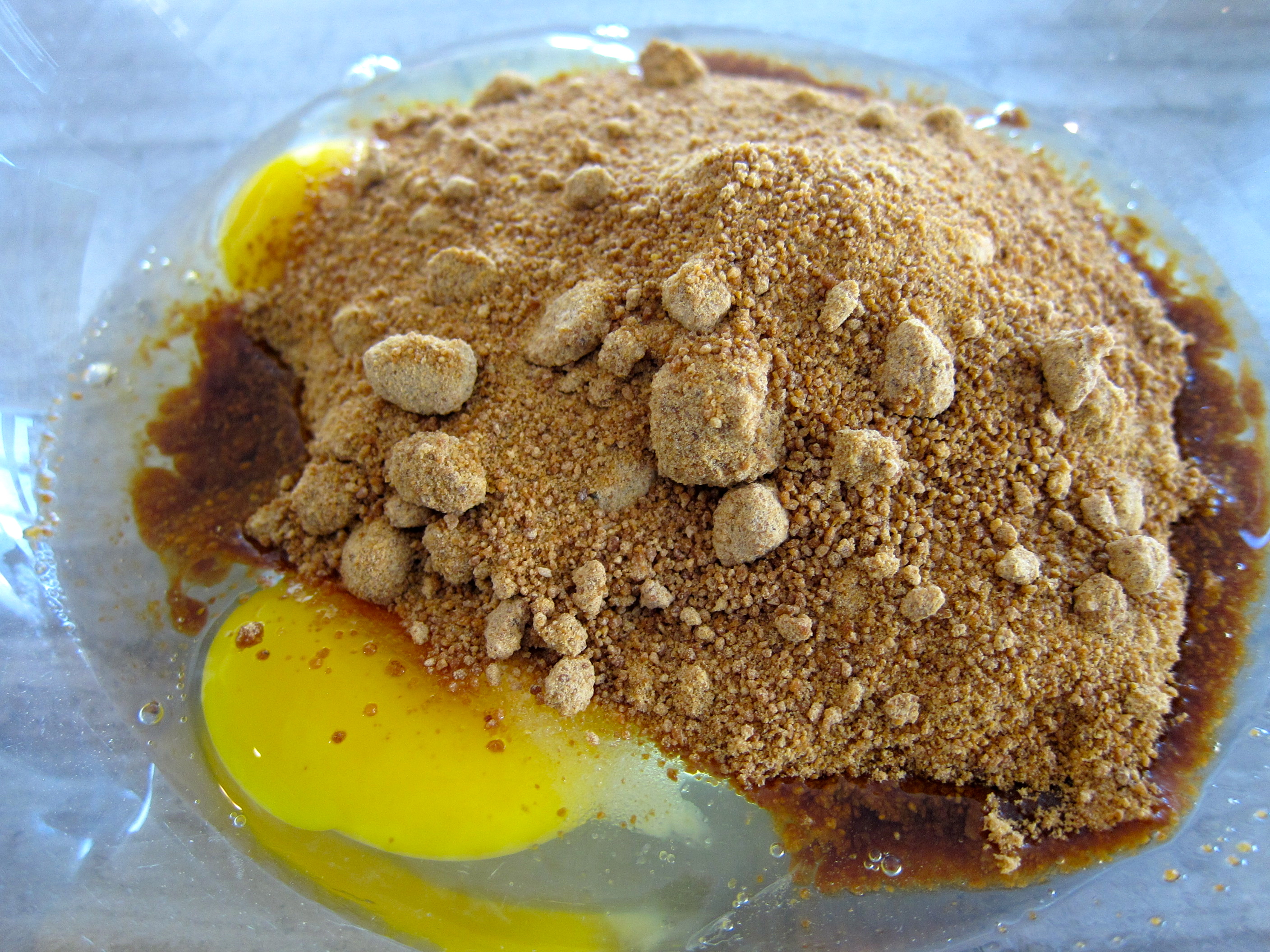
I don’t care much about that claim. What intrigued me about it was its taste. It’s earthy and complex. There is butterscotch and coffee and coconut in there. I thought it would go well in this Hawaiian recipe for banana bread, so I substituted half of the white sugar with it.

IMG_2402

The end result is the best banana bread I have ever tasted, by far. Granted, the benchmark was already low, but this was heavenly. The cake is moist but not dense. The banana flavor is distinct but not overpowering. The coconut palm sugar gives it both darker notes and a little acidity.

No baritones or sopranos here. Just a good old folk singer singing on the beaches of Maui.

IMG_2417

Julia’s Best Banana Bread – Slightly adapted from Bon Appetit

Note: If you don’t have coconut palm sugar, you can use light brown sugar instead. Or you can just use all white sugar, as the original recipe does.

1 3/4 cup all-purpose flour
1 1/2 teaspoons baking soda
3/4 teaspoon kosher salt
3 large eggs
3/4 cup white sugar
3/4 cup coconut palm sugar (break up any lumps with your fingers)
1 cup mashed ripe bananas (about 2 large)
3/4 cup vegetable oil

Preheat oven to 350°. Coat a 9x5x3-inch loaf pan with vegetable oil. Dust with flour and tap out excess.

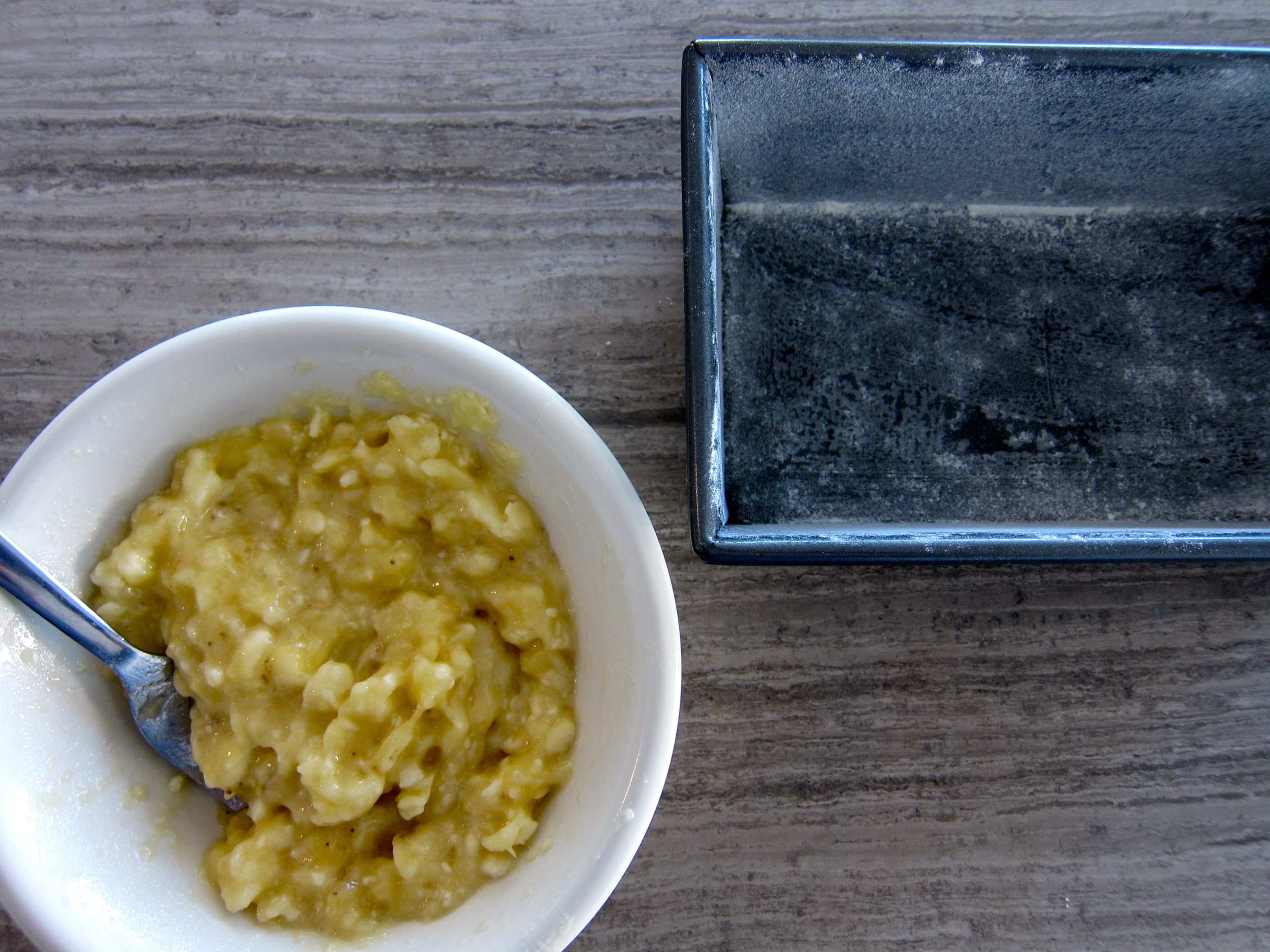
Whisk flour, baking soda, and salt in a medium bowl. In a large bowl, whisk eggs, sugars, and bananas until smooth. Add dry ingredients to banana mixture and stir gently, just until there no more traces of flour. Pour the batter into prepared pan.

Bake until a tester inserted into the center of bread comes out clean, 60-70 minutes. Transfer to a wire rack and let bread cool in pan for 15 minutes. Run a knife around inside of pan to release the bread. Turn out onto rack and let cool completely.

You can make this 3-days ahead and store it in an airtight container at room temperature. Or you can slice it and wrap individual slices (or pairs) in plastic wrap and freeze them. Take out of the freezer at least two hours before eating and leave on countertop, unwrapped, to defrost.

Quick Dairy-Free Coconut Saffron Ice Cream

Last week, I cooked a three course dinner that was both gluten-free and dairy-free because one of our friends who joined us is allergic to both. Given those constraints, I started thinking about what to make for this dinner a few weeks in advance. I quickly realized that cooking gluten-free and dairy-free is manageable for savory dishes but when you get to dessert, it becomes a serious challenge.

IMG_2391

A challenge I absolutely loved (Top Chef here I come!). Once I decided on the appetizer (pea soup) and the main dish (roast chicken with potatoes and carrots), I started to go over my recipes for desserts. I didn’t want to go the easy way by making a fruit sorbet and call it a day. I wanted to make a dessert that screamed gluten and dairy but without having either of them.

So I chose to make bread pudding, served with ice cream. Yep, I went there.

IMG_2386

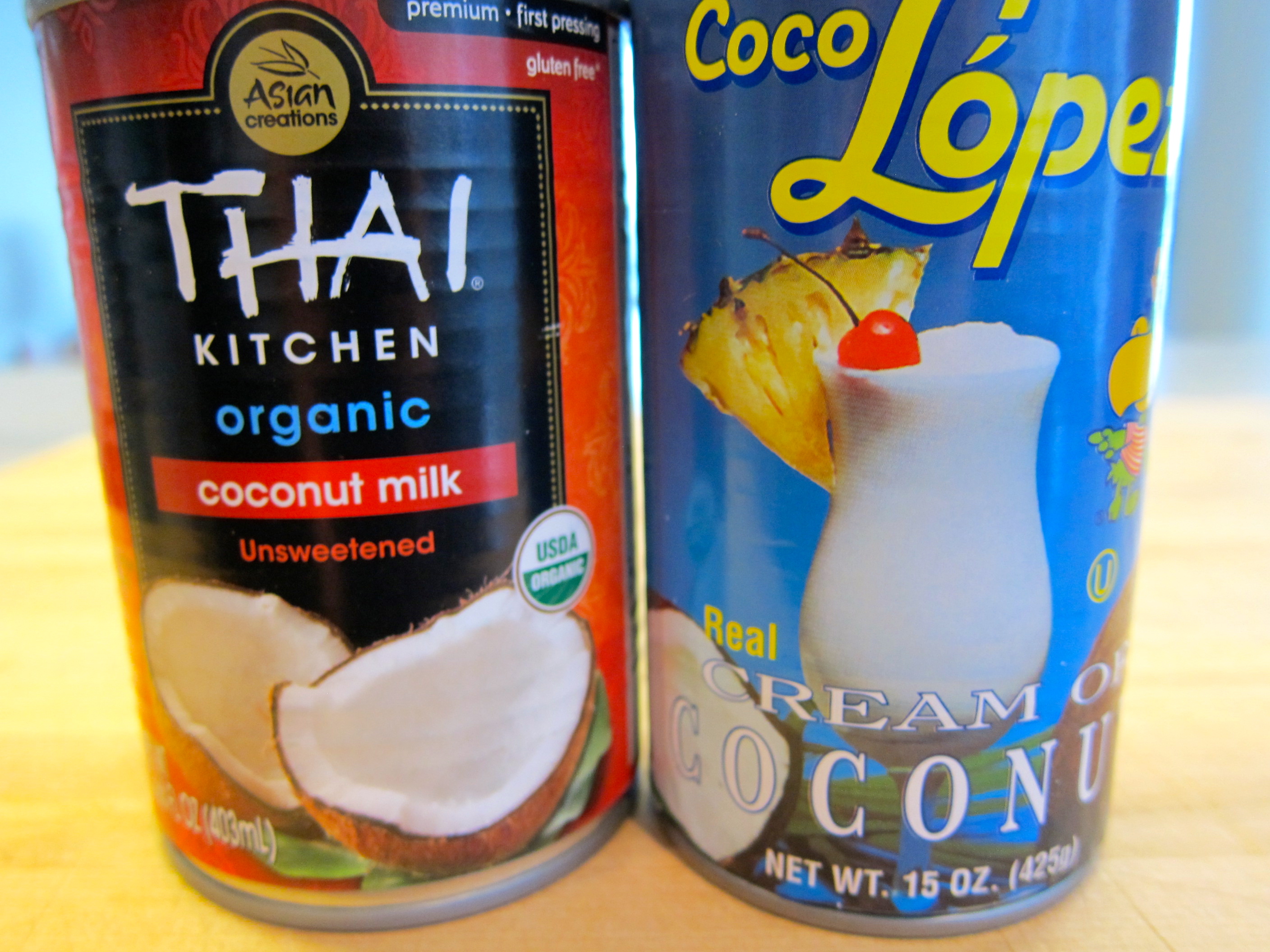
For the bread pudding, I used my go-to recipe (which I’ll share soon) and substituted regular bread for gluten-free croutons that I bought. I also replaced whole milk with coconut milk. The end result was delicious. The ice cream, however, was more of a challenge. I decided to stick with the coconut theme and I found a recipe by David Lebovitz for a quick coconut saffron ice cream that seemed promising. However, it used heavy cream. So, I decided to replace heavy cream with cream of coconut, which is really coconut milk with lots of sugar and a few thickeners (different types of gum) that turn it into a thick, sweet concoction that’s the basic ingredient in Pina Coladas.

IMG_2388

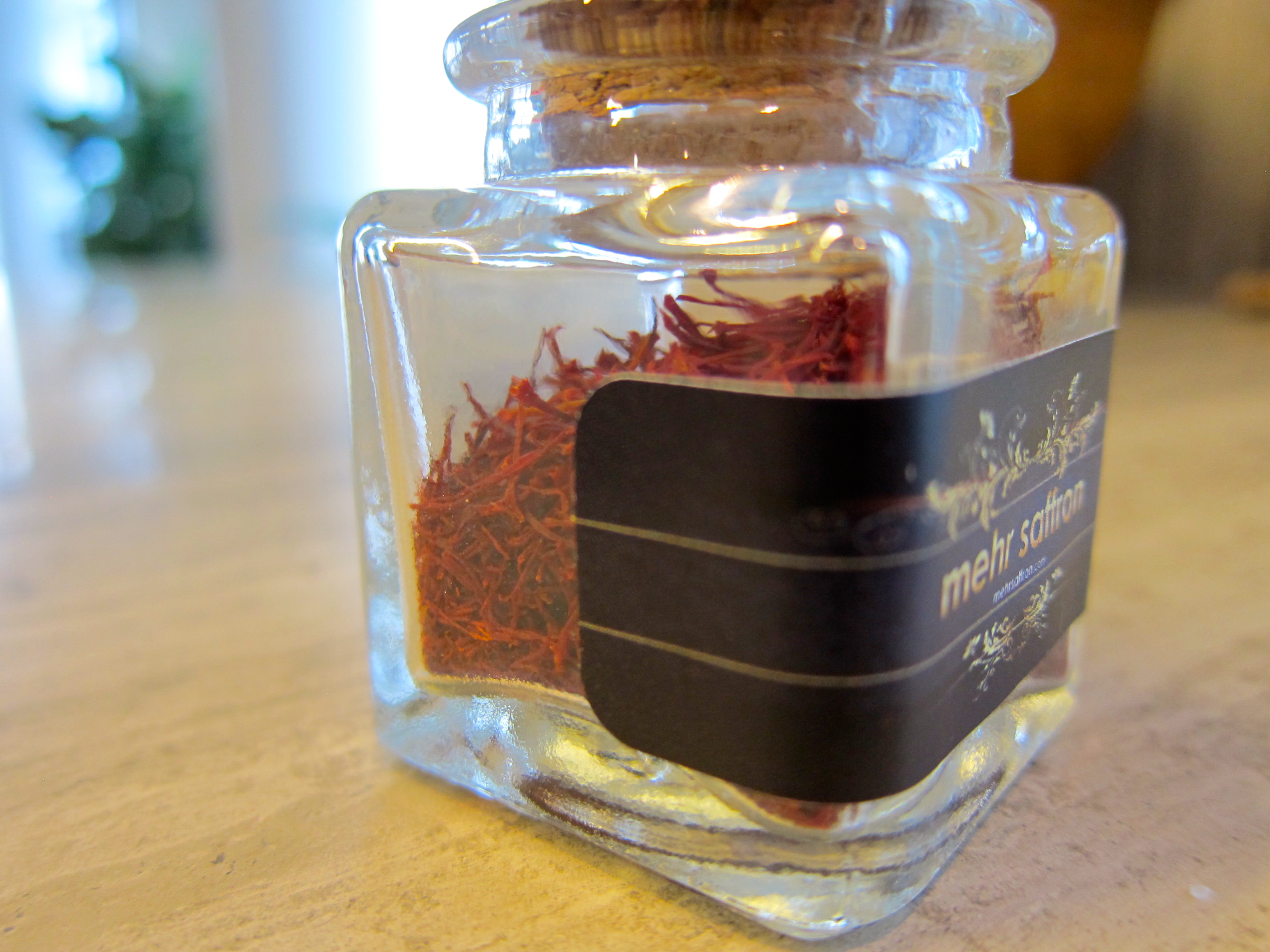
So, I opened a can of coconut milk and a can of cream of coconut, dumped them in a pot, and heated them gently until all the solids melted and it became a smooth liquid. I added a pinch of salt and a bigger pinch of saffron, heated it a little longer to let the saffron steep, chilled it in the fridge, and froze it in my ice cream maker.

I was skeptical on what the final product would be like, especially in terms of consistency. I expected a solid block on ice when I took it out of the freezer the next day. I was amazed when it turned out to be a beautiful, creamy ice cream that you could scoop with a spoon. The saffron had given it a golden yellow color that intensified the illusion that this ice cream was made with actual cream and egg yolks.

The final verdict on the whole dessert? Let’s just say that not a crumb of bread pudding or drop of ice cream was left over in everyone’s bowls.

IMG_2384

Quick Dairy-Free Coconut Saffron Ice Cream

If you don’t have saffron, or if you don’t like it, you can omit it. Though I haven’t tried them, other options for additions are lime zest, chopped dried pineapple or ginger, or chocolate pieces. For all of these alternative options, add them to the ice cream right when it’s finished being churned in the ice cream maker.

1 15oz can of coconut milk, unsweetened
1 15oz can of cream of coconut (such as Goya or Coco Lopez)
pinch of salt
hefty pinch of saffron threads (about half a teaspoon)

In a medium saucepan, combine the coconut milk and the cream of coconut. The cream of coconut is usually separated in the can, with the solid cream on top and the liquid syrup in the bottom. Add the entire contents of the can to the saucepan.

Heat gently over medium heat, stirring frequently until the cream of coconut solids melt and everything becomes a smooth liquid.

Add the salt and saffron and continue to heat gently for 2-3 minutes. The longer you steep the saffron, the deeper the saffron taste of your ice cream will be.

Remove from heat and chill in the refrigerator. Once the mixture is chilled, freeze it in your ice cream maker according to the manufacturer’s instructions.

Pea Soup with Fried Ramps and Pumpkin Seed Oil

I hated peas when I was a kid. Though, come to think of it, is there any kid that doesn’t hate peas? In my case, I remember them as these mushy, green orbs that were always a part of a traditional Greek tomato-based sauce we call yahni. They tasted grassy (which to a kid, is pretty much like eating dirt) and were wrinkly looking, like old skin.

IMG_2399

As an adult, I changed my mind about peas when I tasted fresh ones, just shelled from their snuggly pods, lightly steamed, and tossed with some melted butter and sea salt. Their flavor was nutty and their texture was soft but with a bite. Alas, fresh peas are only around in late fall. But thanks to my friend JC, I realized that there was another way I could love peas: in a soup. The first time I had a version of this pea soup that he made, I asked him for the recipe. When he told it was basically just peas, I was amazed. And the best part is that since the peas get blended to a smooth liquid, frozen ones work just fine.

IMG_2395

This pea soup is a dinner party staple in our household. It’s super simple to prepare and it makes for an elegant and delicious appetizer. It’s also amenable to improvising. Here, I’ve served it with a drizzle of pumpkin seed oil, which has a deep toasted nut flavor that compliments the creaminess of the peas beautifully. And since it’s the season for ramps right now, I fried a few in some hot oil until crispy, and added them on top of the soup.IMG_2393

Pea Soup with Fried Ramps and Pumpkin Seed Oil

Note: This soup can be made vegetarian by using 1 cup of vegetable stock instead of chicken stock and adding no milk. Instead of the ramps and pumpkin seed oil, you can top it with anything you like. Some suggestions are: a dollop of sour cream or creme fraiche, fried shallots, chopped nuts, walnut oil or almond oil.

10oz of frozen peas, thawed in the refrigerator*
3/4 cup chicken stock
1/4 cup milk
salt and pepper

* My favorite brand is Cascadian Farm, Premium Organic Sweet Peas, but any good brand will do.

In a blender, add thawed peas, chicken stock, and milk. Blend until the soup is completely smooth. If your blender doesn’t completely blend the peas and you want a perfectly smooth soup, you can strain the soup through a fine mesh strainer.

Pour blended soup in a small pot and add salt and pepper to taste. Heat over medium heat, stirring often.

Serve with a drizzle of pumpkin seed oil and a few chopped ramps that you have fried in hot vegetable oil until crispy (optional).

Yield: 2 servings

Marion Cunningham’s Raised Waffles

A couple of years ago, we visited some friends out west. We arrived in the early evening, so they picked us up at the airport and we drove to a restaurant to eat. After dinner we went to their home where we chatted and caught up until it was time for bed. At that point, they told us what was available for breakfast. I don’t remember exactly what they said but it was something like “There’s some cereal in here. And there’s some milk in the fridge.”IMG_2313

A few minutes later, Steve and I were in the bedroom getting ready for bed, when he turned to me and said “I guess they don’t take breakfast as seriously as we do, do they?” I cocked my head to the side, raised my eyebrows and replied “Nobody takes breakfast as seriously as we do!”

Every morning we sit down and eat breakfast together and it’s not unusual for us to spend 15-20 minutes preparing it. Steve is in charge of the coffee, which on the weekends resembles a Japanese tea ceremony (there’s weighing of beans, grinding them at a specific size, boiling water to a precise temperature, and more) and I am in charge of drinks (fresh fruit smoothies or juiced fruits and veggies). The food is some kind of baked good, oatmeal, toasted home-made bread with butter and honey or jam, or granola. Everything is homemade of course.

IMG_2312

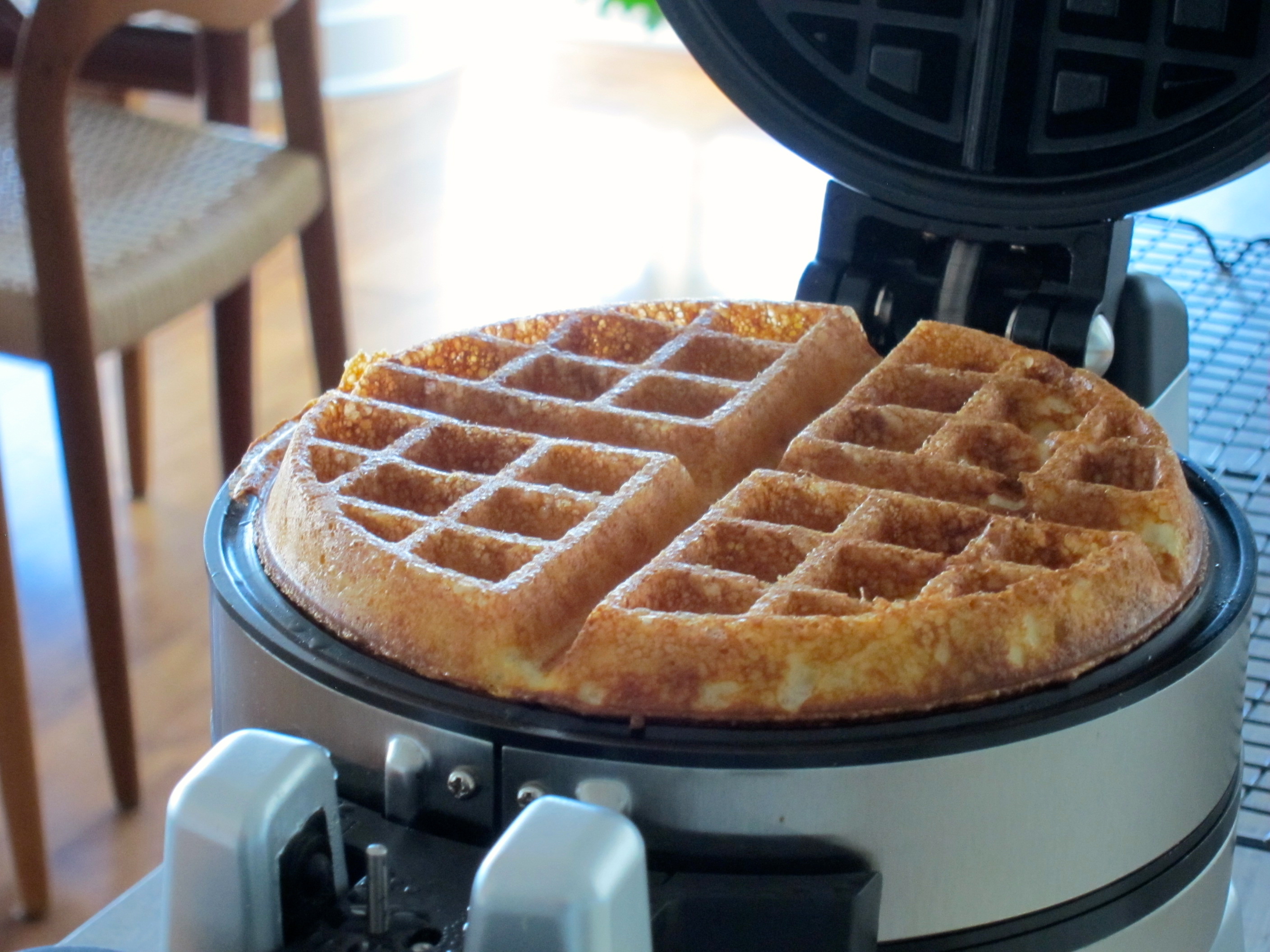
So, yes, we take breakfast seriously. And nothing says “serious breakfast” like freshly made waffles. We used to make sourdough waffles with a starter we kept in the fridge, but then we discovered this recipe for yeasted waffles that blew our minds and we never looked back. The batter is prepared the night before and left on the countertop overnight, during which time it rises and then collapses. In the morning, you add two eggs and a touch of baking soda and it’s ready for cooking.

IMG_2316

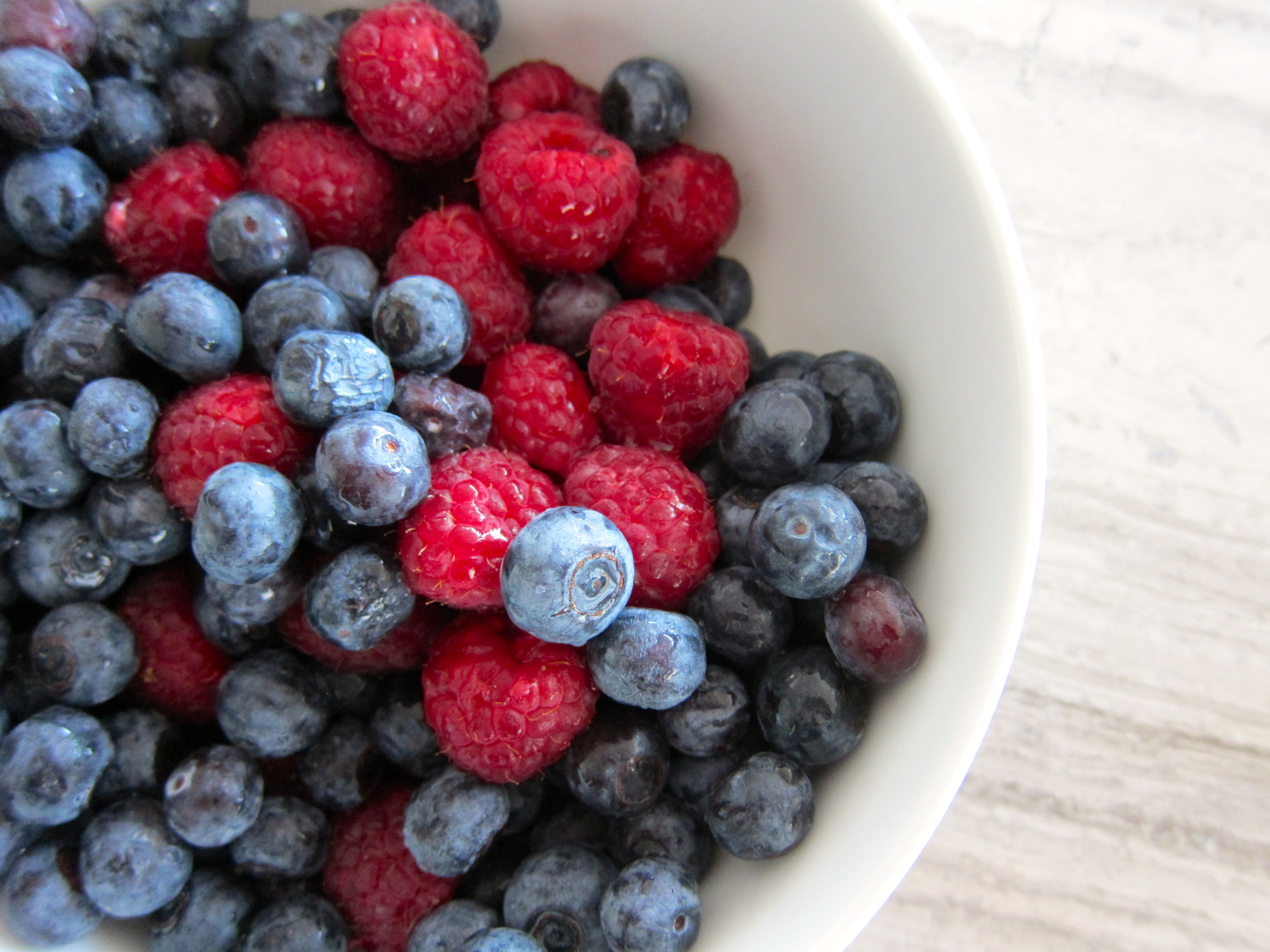
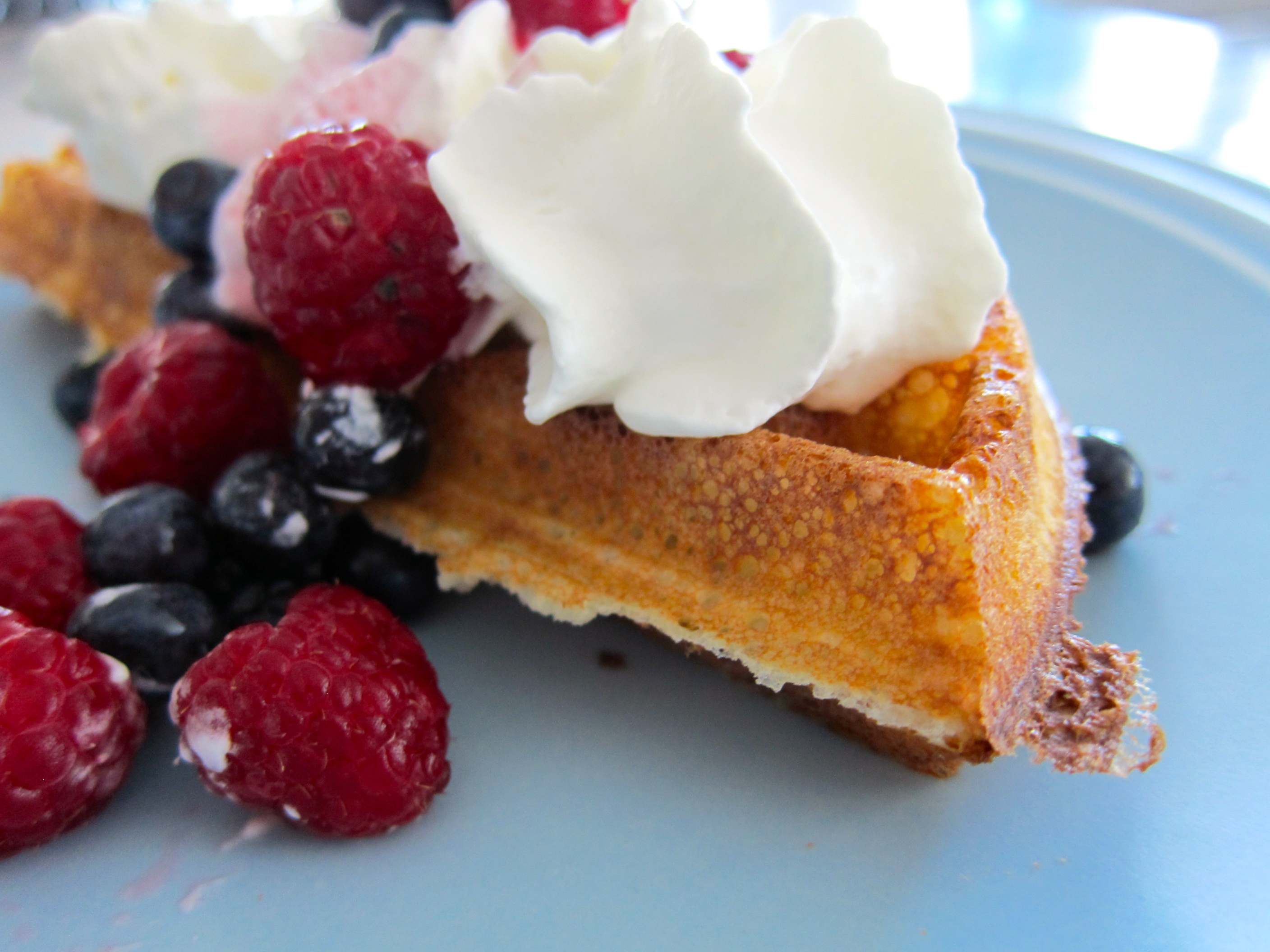
The yeast makes all the difference here. It makes the waffles  crispy and filled with tiny bubbles so that when you bite into them, they dissolve in your mouth with a satisfying crunch. It also gives them an addictive malted taste and aroma that fills the house as they cook. We’ve discovered that the best way to eat them is by first pouring maple syrup on them, adding a dollop of freshly whipped cream and topping them with sliced strawberries.

Is this a serious breakfast or what?

Marion Cunningham’s Raised Waffles – Adapted from “The Breakfast Book

½ cup warm water
1 package (2 ¼ tsp.) active dry yeast or 1 3/4 tsp instant yeast
2 cups whole milk, warmed
1 stick (½ cup or 113g) unsalted butter, melted and cooled slightly
1 tsp. table salt
1 tsp. sugar
2 cups (250g) all-purpose flour
2 large eggs, lightly beaten
¼ tsp. baking soda

– If you are using active dry yeast, pour the water into a large mixing bowl. Sprinkle the yeast over the water, and let stand to dissolve for 5 minutes. Add the milk, butter, salt, sugar, and flour, and beat with an electric mixer until well blended and smooth.

– If you are using instant yeast, add the water, milk, butter, salt, sugar, flour, and yeast into a large mixing bowl. Beat with an electric mixer until well blended and smooth.

Cover the bowl with plastic wrap, and let it stand overnight at room temperature. We’ve found that when we let the batter sit for 12 hours, the waffles have the most intense, malted flavor, but you can go as low as 7-8 hours.

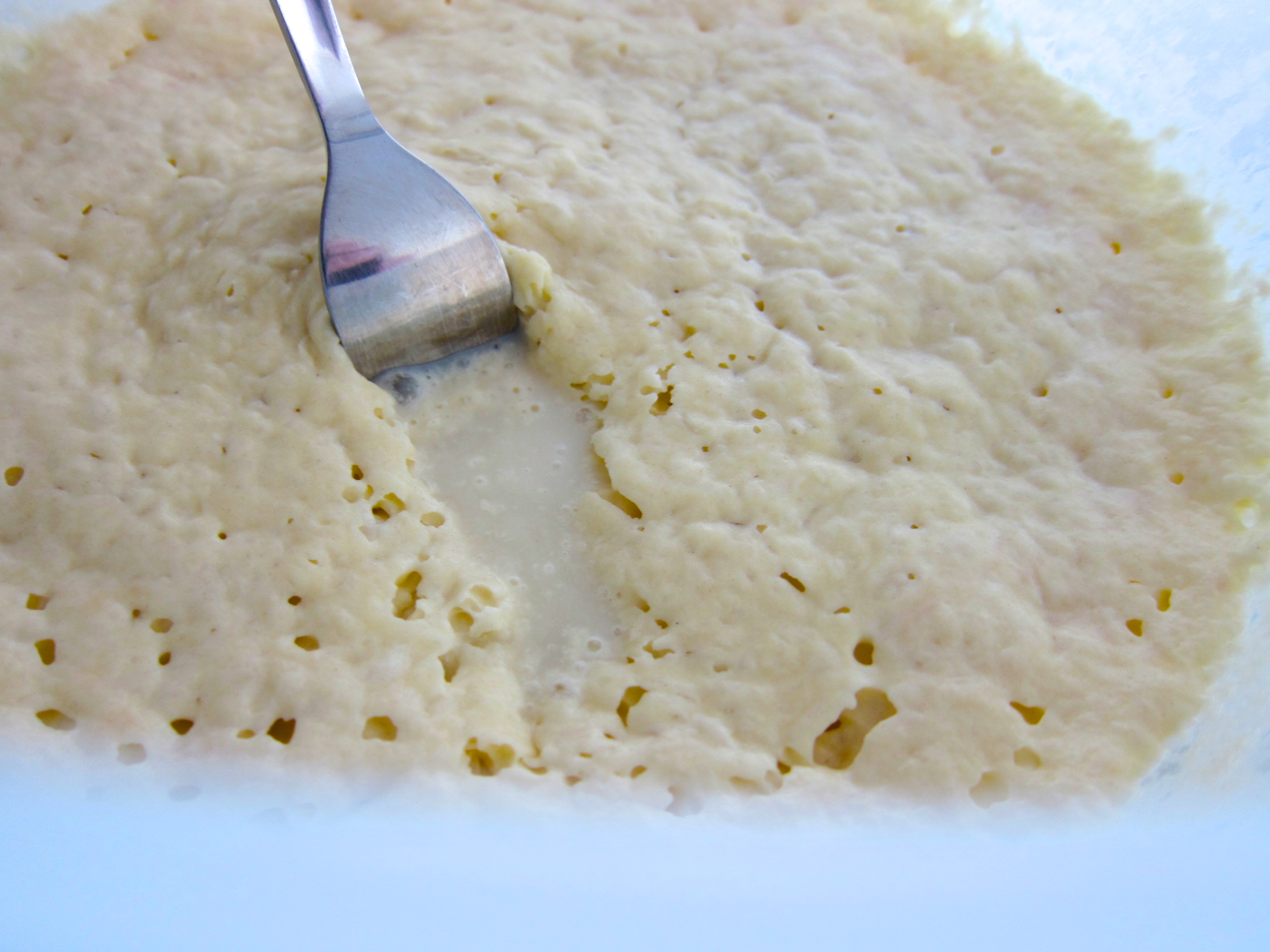
In the morning, remove the plastic wrap. The batter will look deflated with a pocked surface. It will also look like it separated over night. Don’t worry, that’s how it’s supposed to be! (The first time we tried the recipe, we thought it went bad, so we threw it out and then tried a second batch which was exactly the same, until a little research online revealed that it’s supposed to be exactly like this).

IMG_2311

Preheat your waffle maker to a medium-high setting (you’ll have to experiment with your waffle maker because each one is different). Stir the batter with a fork or spoon until it is smooth again. Add the lightly beaten eggs to the batter along with the baking soda. Mix the batter until fully combined. The batter will be very thin.

Cook in your waffle maker until the waffles are golden brown and crisp. As you take the waffles out of the waffle maker, place them on a cooling rack to prevent them from getting soggy on the bottom.

Any leftover waffles, once completely cool, can be wrapped in plastic wrap and frozen. Whenever you want them, just reheat them in a toaster straight from the freezer (no thawing required).